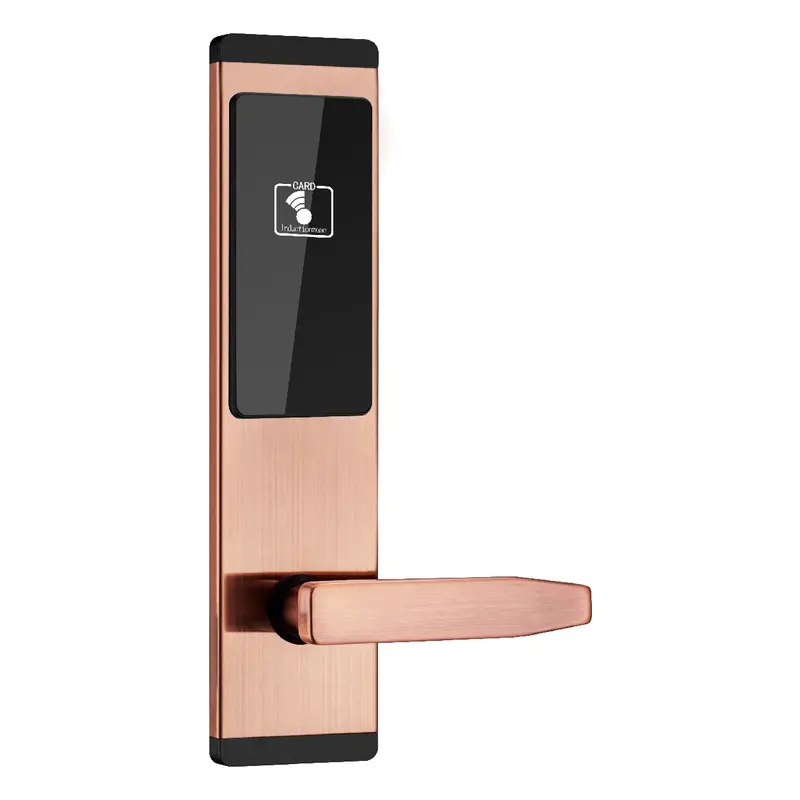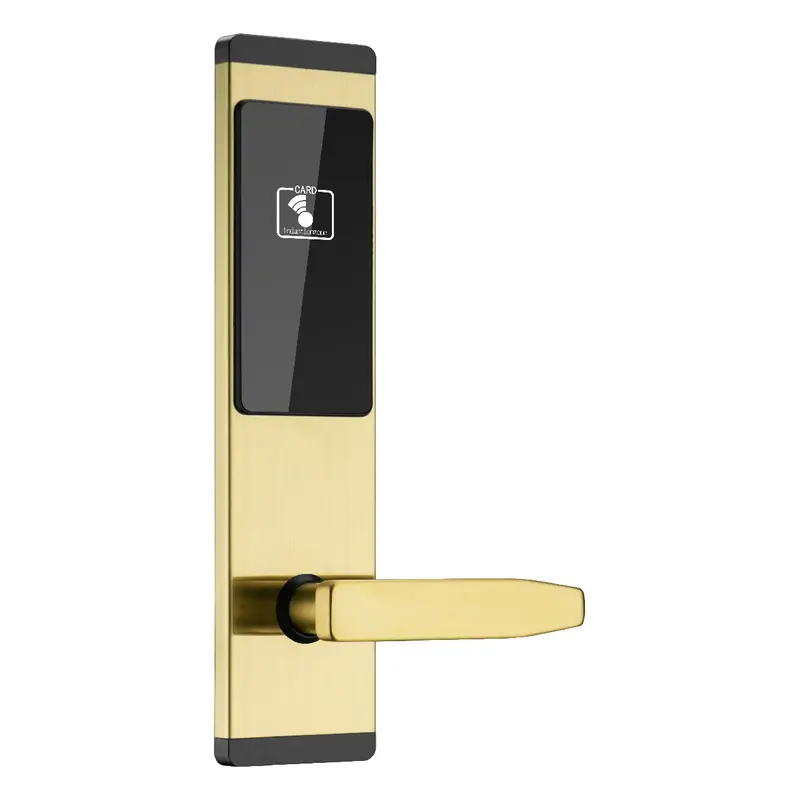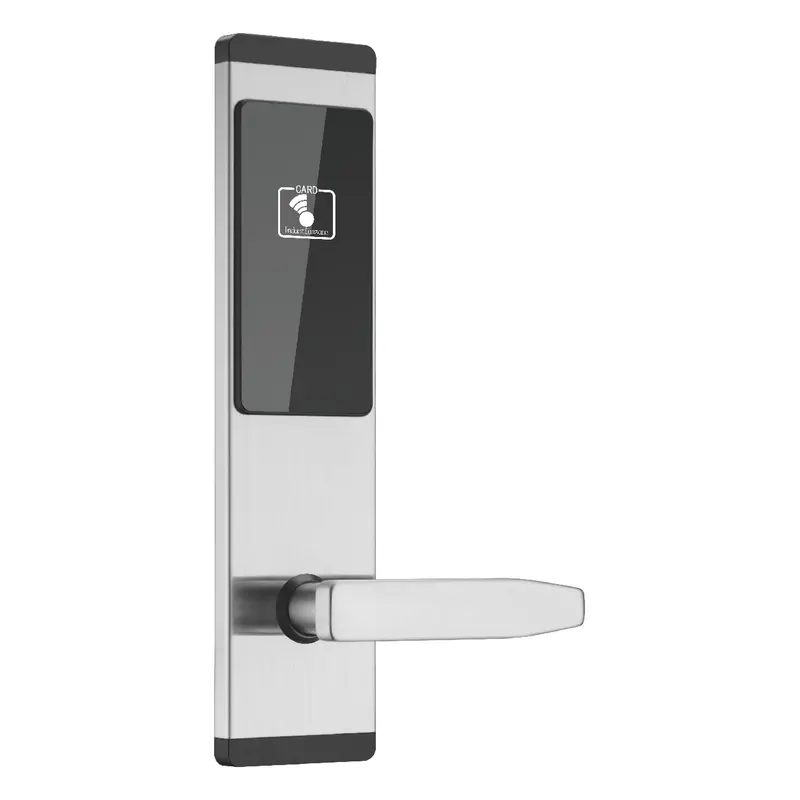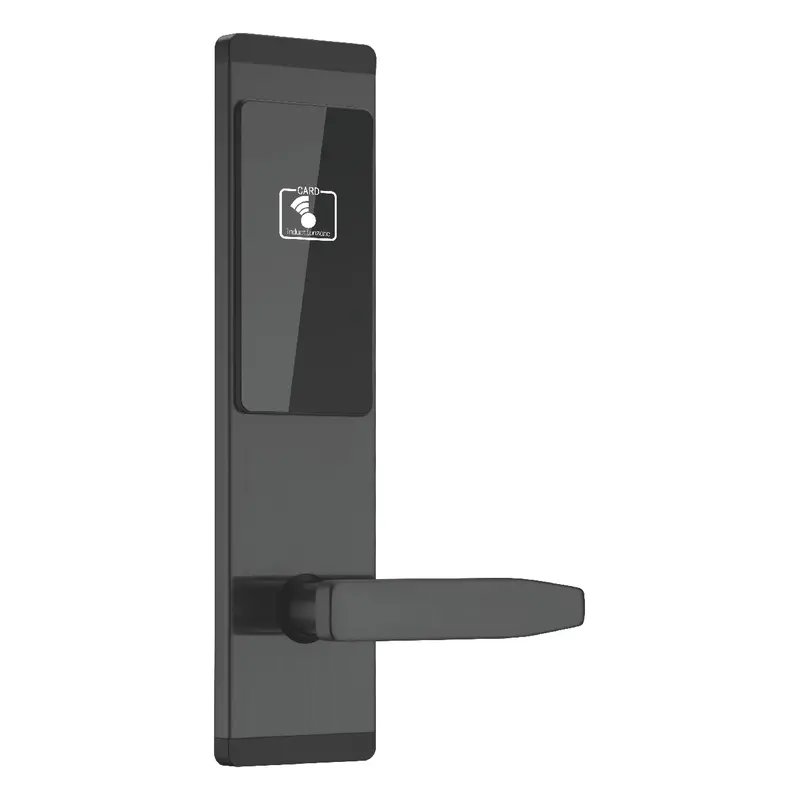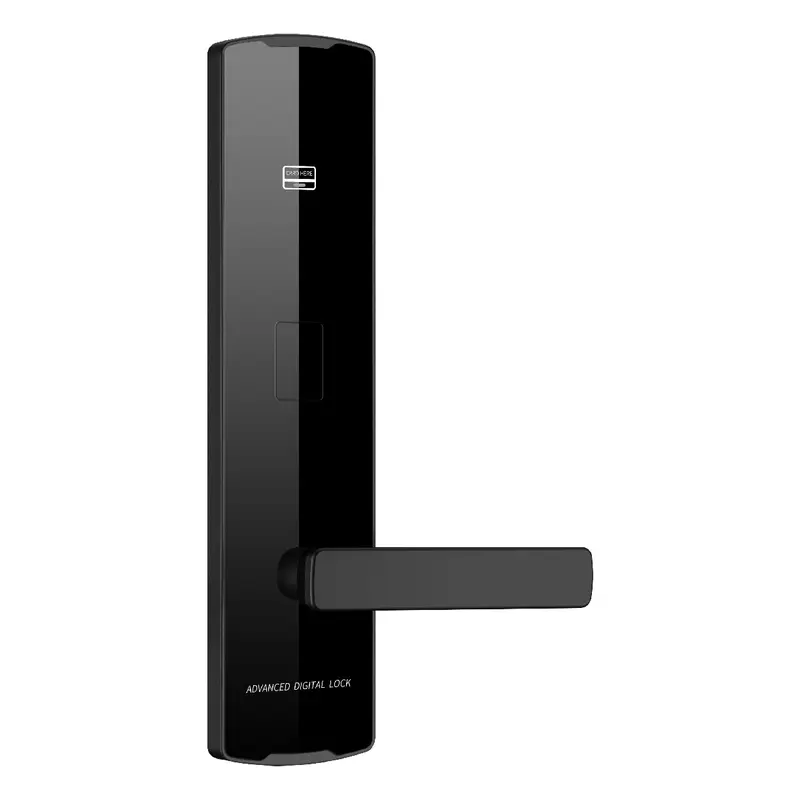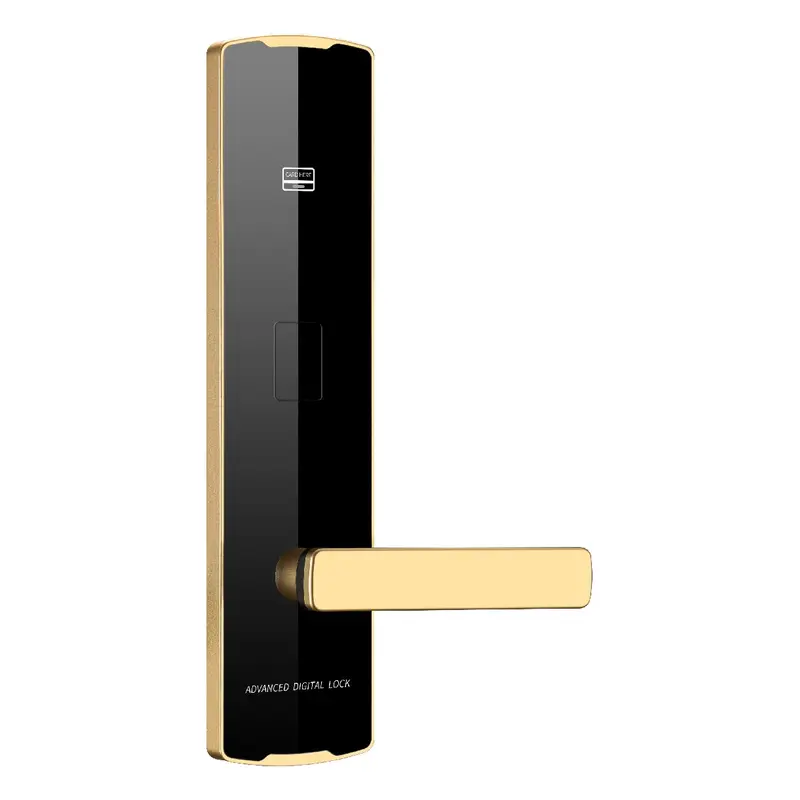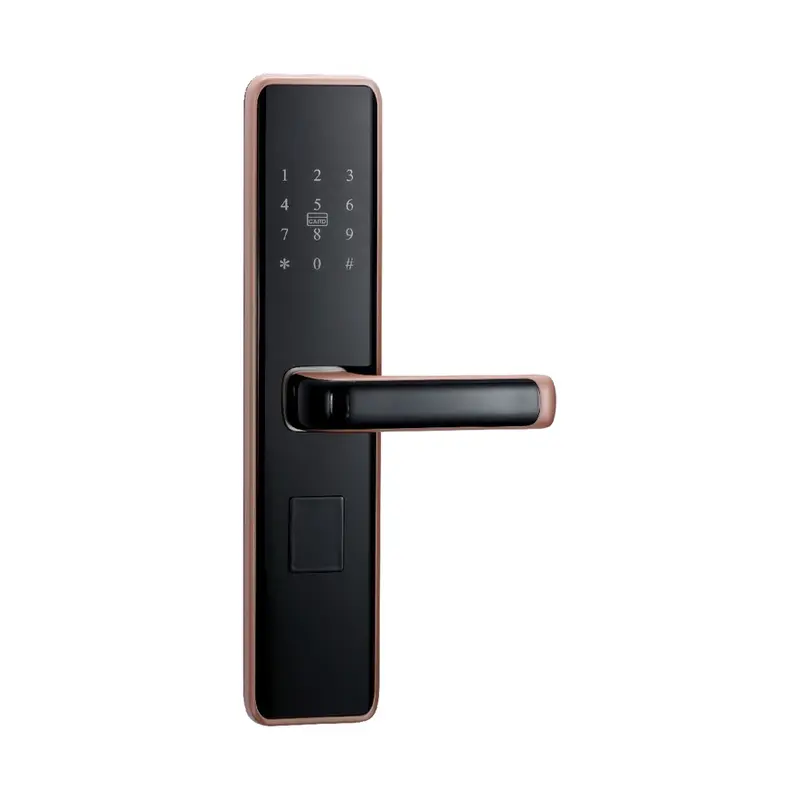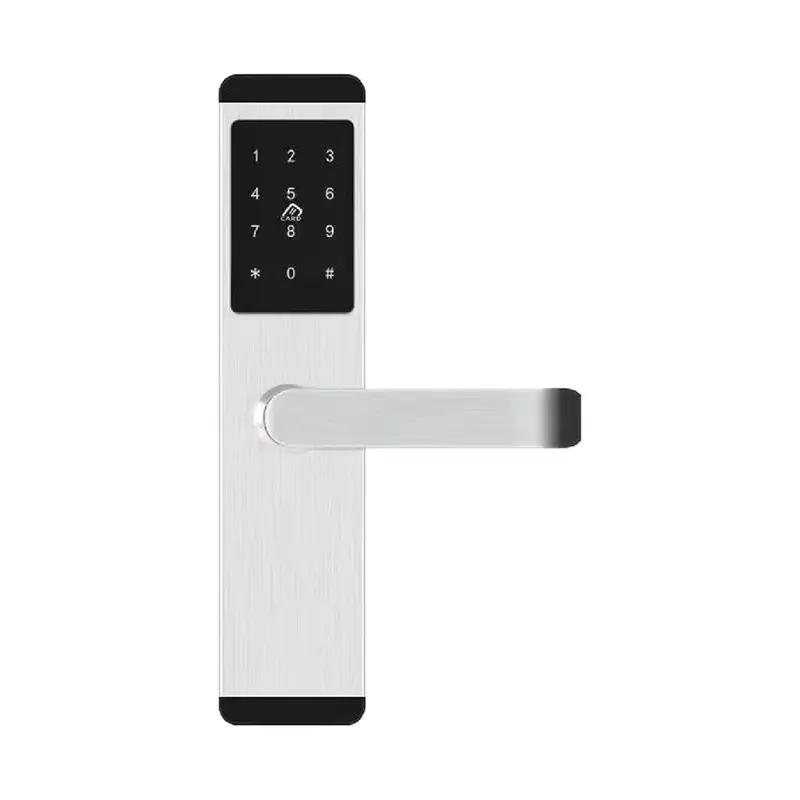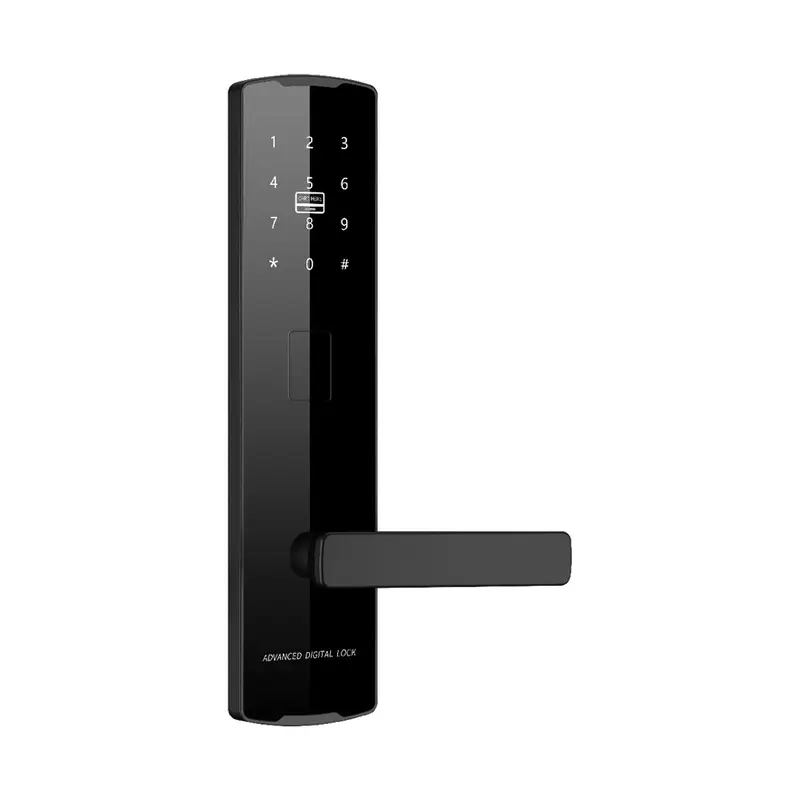
2112 Black Password Lock
Dimensions: 300x75x12mm Color: Black Material: Aluminum Oxide Profile Process: Anodized
Read More
Smart Code Door Lock Supplier Guide: Specs, RFQ & Bulk Sourcing | Guangdong Haolock Intelligent Technology Co., LTD
Use this page to evaluate Smart Code Door Lock from the perspective of bulk purchasing evaluation. It brings together related products, practical selection checks, and buyer questions so your inquiry can be more specific from the beginning.
For a operations manager, the most useful starting point is material, size, and configuration matching. Review the product matches, comparison notes, FAQs, and recent buyer-style feedback before sending final requirements.
Dimensions: 300x75x12mm Color: Black Material: Aluminum Oxide Profile Process: Anodized
Read More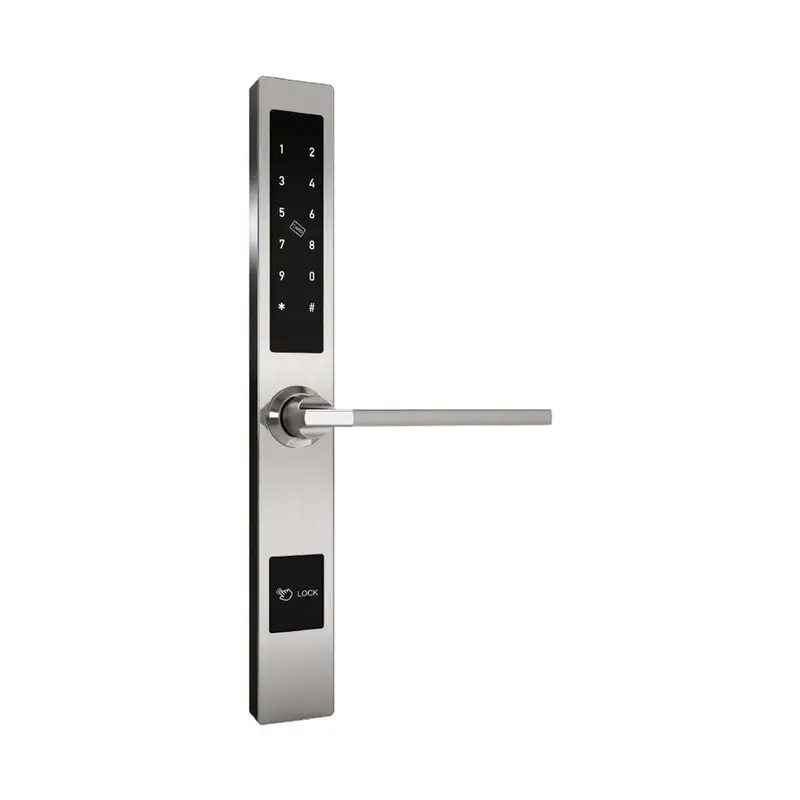
Dimensions:310x40x20mm Color:Silver Material: Aluminum alloy Process: Electroplating
Read More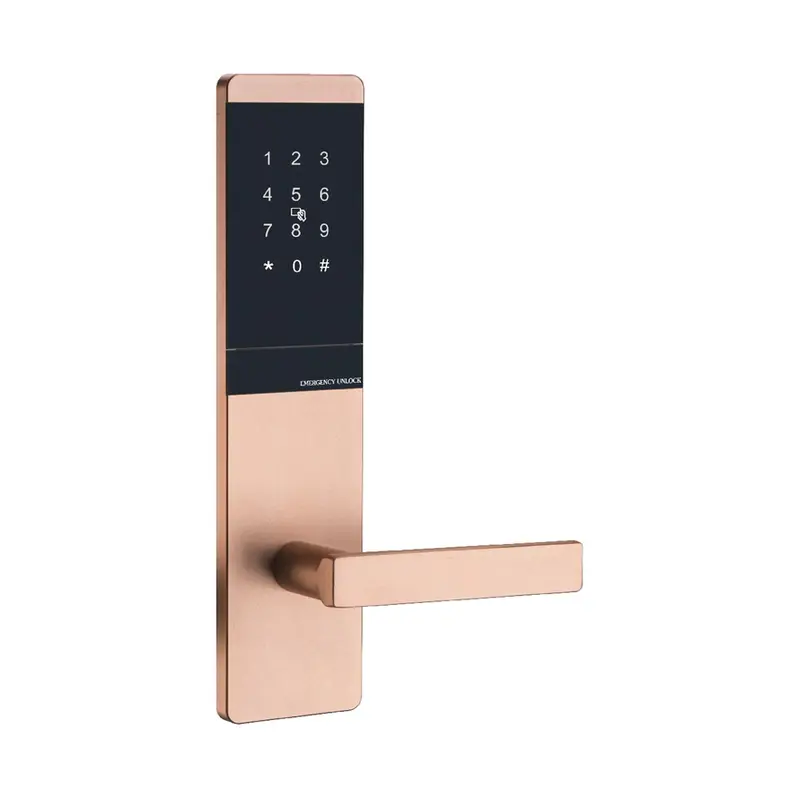
Dimensions: 300x75x10mm Color: Golden Material: Aluminum Oxide Profile Process: Anodized
Read More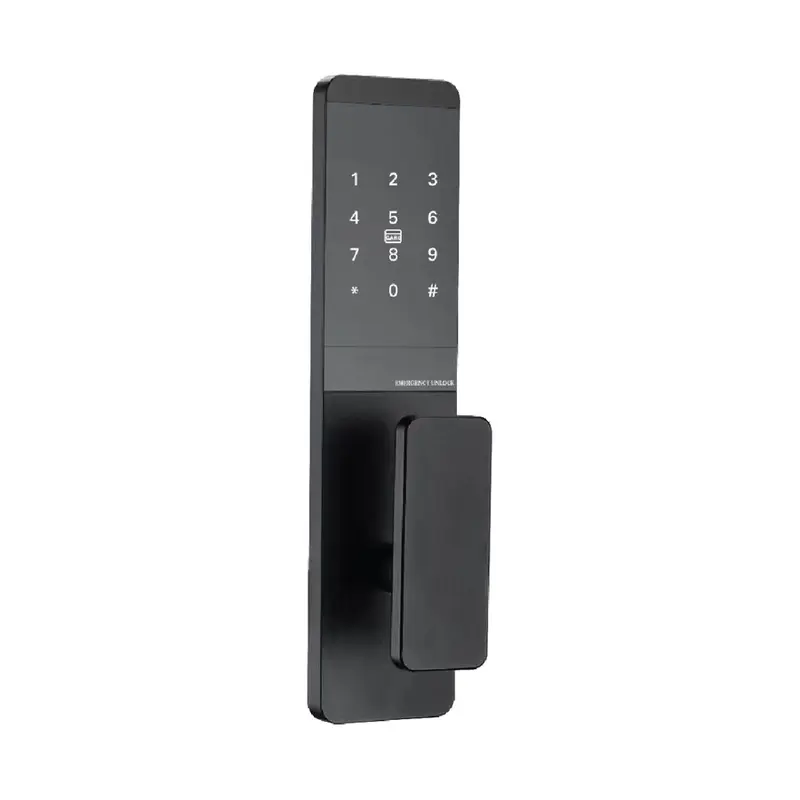
Dimensions:300x75x10mm Color:Black Material: Aluminum Oxide Profile Process: Anodizing
Read More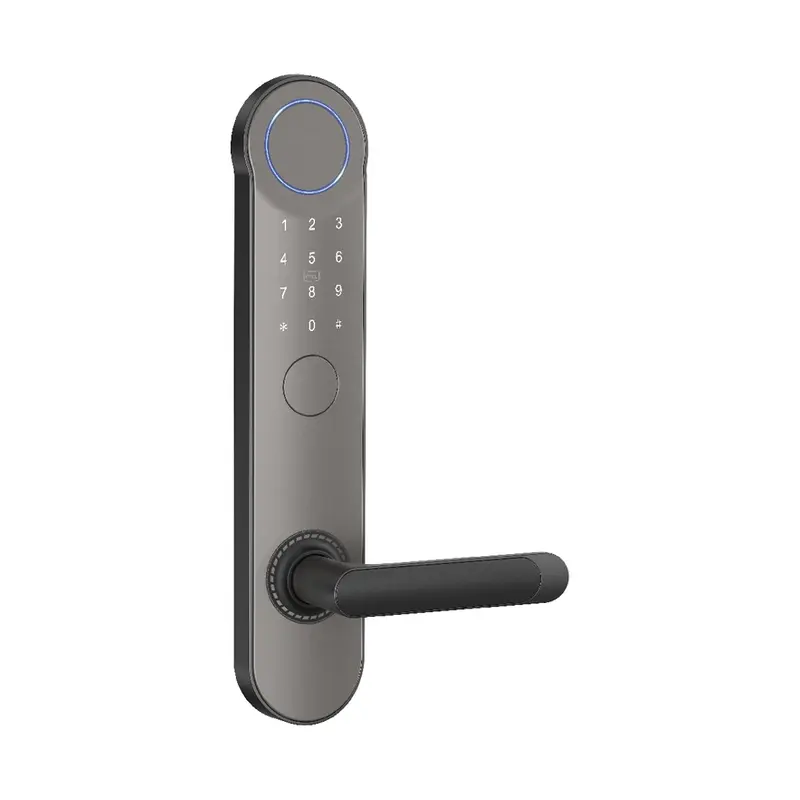
Dimensions:320x65x20mm Color: Gray Swipe card Material: Aluminum alloy Process: Spray coating
Read More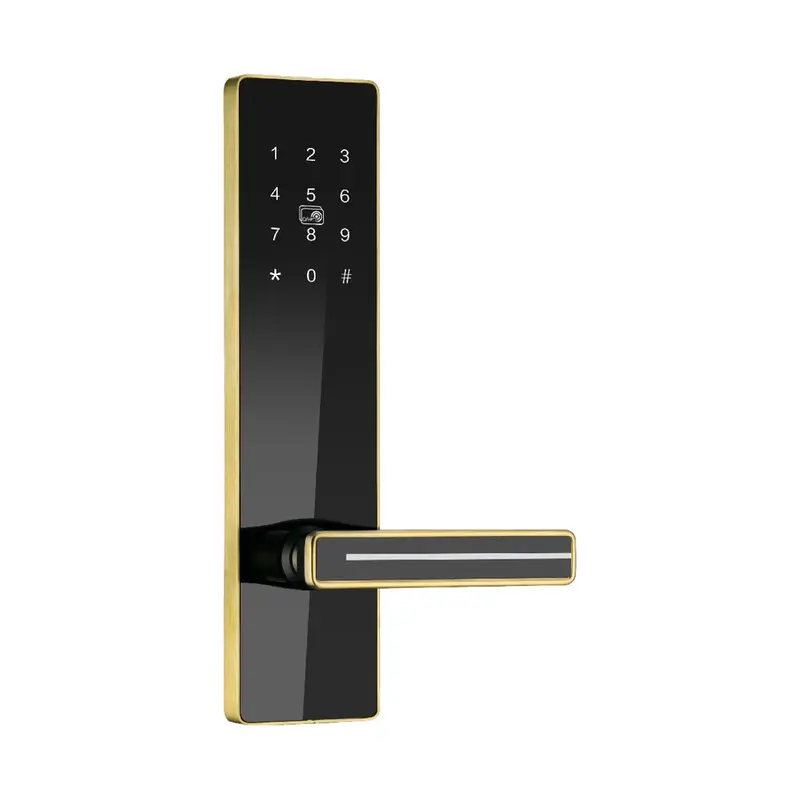
Dimensions:300x75x14.5mm Color:Golden Material: stainless steel Process: Stainless Steel Brushed Finish
Read MoreSmart Code Door Lock Specification Guide
The related product list helps you compare Smart Code Door Lock by actual product direction rather than keyword wording alone. Check whether each product supports bulk purchasing evaluation, then use the table below to prepare a clearer RFQ.
| Criterion | What To Check | Why It Matters | Buyer Tip |
|---|---|---|---|
| Lock Body Material | Verify zinc alloy or stainless steel grade in spec sheet | Material determines corrosion resistance and durability for bulk orders | Request material certification documents before finalizing RFQ |
| Door Thickness Compatibility | Confirm supported door thickness range (typically 38–120mm) | Mismatched sizing causes installation failures across bulk units | Collect door thickness data from all sites before ordering samples |
| Code Entry Configuration | Check digit count, anti-peep code support, and keypad type | Operational security requirements vary by facility access level | Ask supplier for keypad IP rating if units face outdoor exposure |
| Power & Battery Specs | Confirm battery type, low-power alert, and backup power option | Inconsistent power specs increase maintenance burden at scale | Prioritize models with USB emergency charging for operations continuity |
| After-Sales & Warranty Terms | Review warranty period, replacement part lead time, and support channel | Bulk buyers need reliable post-shipment support to reduce downtime risk | Request a written after-sales SLA before signing supply agreement |
A Smart Code Door Lock should be evaluated against application fit, door thickness range, power source, unlocking methods, and housing material. Comparing these details across options before contacting a supplier reduces back-and-forth and produces a more accurate quotation.
This page is structured around a specification checklist and quality review angle, helping you convert a broad search into specific, answerable questions for a supplier conversation.
Begin your evaluation by documenting the installation context: door type, thickness range, material, and whether the lock must meet any regional certification or fire-rating requirement. For a Smart Code Door Lock, also confirm which access methods are required, such as keypad code, card, fingerprint, or app control, since not all models support the same combination.
Next, review housing material, finish options, backset dimensions, and power configuration. Battery type, low-power alert behavior, and emergency override method are details that affect long-term facility management and should be confirmed before placing a bulk order. If branding or custom color is needed, ask early, as these options often require minimum order quantities and extended lead times.
Before requesting a quotation, prepare your expected quantity range, destination country, required certifications, and delivery timeline. Include door drawings or sample photos where available. Suppliers who receive complete project context are better positioned to recommend the correct Smart Code Door Lock model and flag any compatibility issues upfront.
When reviewing supplier responses, prioritize those that address your specification checklist directly rather than returning only a general catalog. A supplier that asks clarifying questions about installation conditions, door preparation, or after-sales support expectations is typically easier to work with through sampling, inspection, and repeat order stages.
| Criteria | Importance | Description | Example Options |
|---|---|---|---|
| Lock Body Material | High | Determines durability, corrosion resistance, and suitability for indoor vs. outdoor installation environments. | Zinc alloy for indoor; stainless steel for high-humidity or exterior doors |
| Entry Method Configuration | High | Number and type of credential options affect deployment flexibility and end-user access management. | PIN + RFID + key vs. PIN + Bluetooth + app |
| Door Compatibility Range | Medium | Supported door thickness and backset range determines how many existing door types a single SKU can cover. | 38–120mm thickness; 60mm or 70mm backset |
| OEM & Custom Options | Medium | Availability of logo, packaging, and firmware customization impacts brand alignment for resellers and developers. | Custom engraving, branded box, adjustable auto-lock timer |
| After-Sales & Parts Support | Medium | Warranty terms and spare-part supply chain readiness reduce operational risk for large-scale bulk buyers. | English tech docs, replacement motor kits, remote support channel |
Recommended Products
Top product matches should be reviewed by fit, specification clarity, customization readiness, and how well they support specification checklist. Use these factors to shortlist practical options before contacting the supplier.
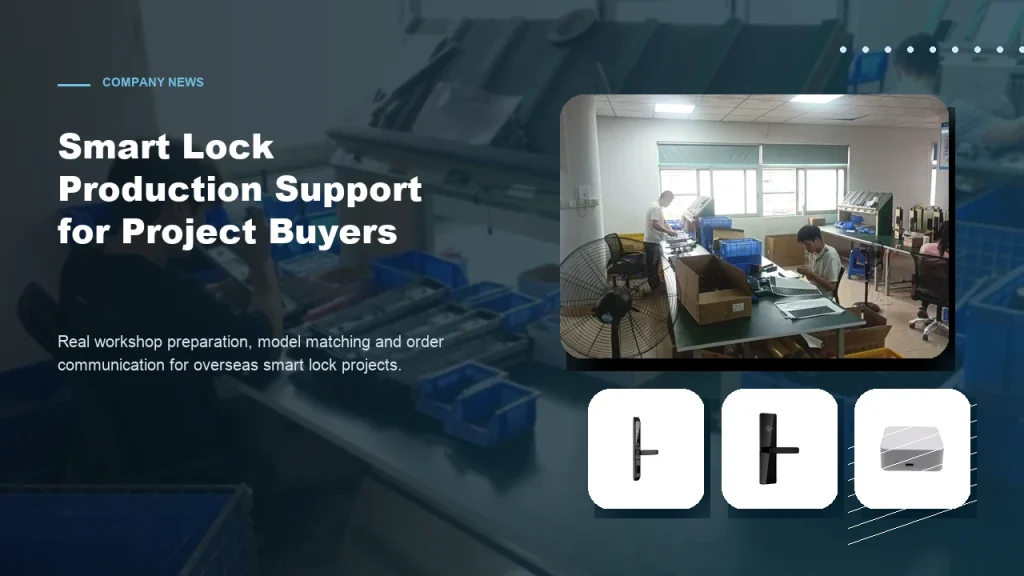
Subtitle: From workshop preparation to model selection, practical factory support helps overseas buyers order smart locks with more confidence. Introduction For overseas B2B buyers, choosing a smart lock supplier is not only about product appearance. Contractors, distributors and project buyers also care about whether the factory can support practical order preparation, model matching, packaging details […]
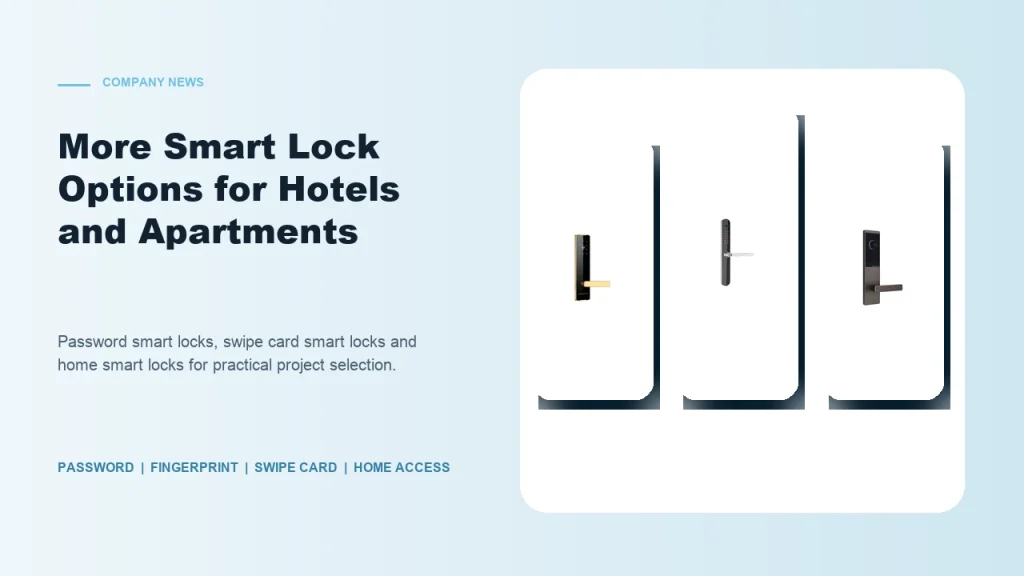
Subtitle: Password smart locks, fingerprint smart locks, swipe card locks and home smart locks help buyers match different project requirements. Introduction Smart lock buyers are no longer looking for one universal product. Hotels, apartments, schools, guesthouses, homestays and residential buildings all have different access habits and management requirements. Some projects need simple card operation. Some […]
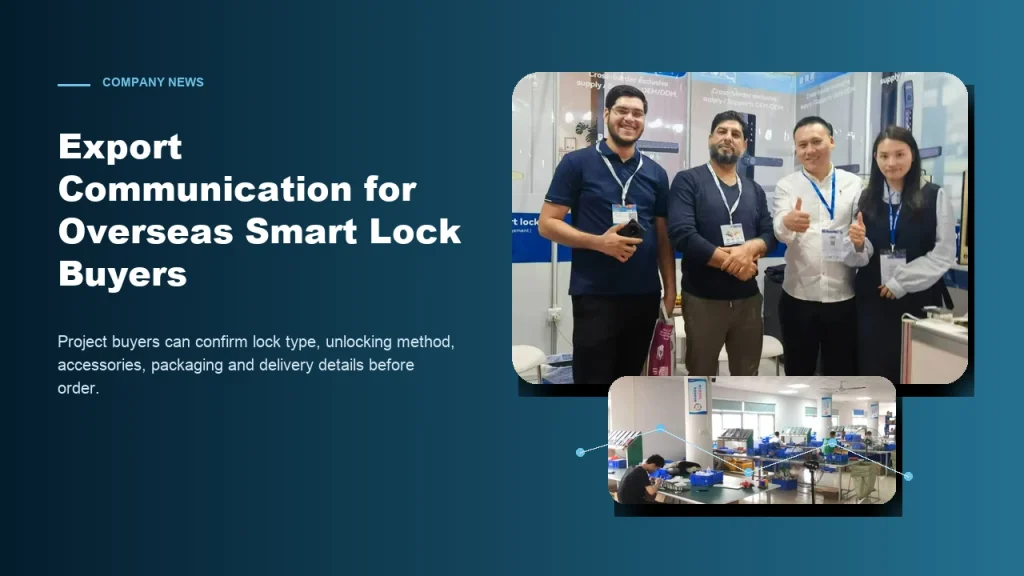
Subtitle: Clear communication helps contractors, distributors and project buyers reduce risk when sourcing smart locks from China. Introduction For global smart lock buyers, export purchasing can be challenging when product details are unclear. A buyer may see many similar lock models online, but the real project requires more information: What unlocking method is suitable? Which […]
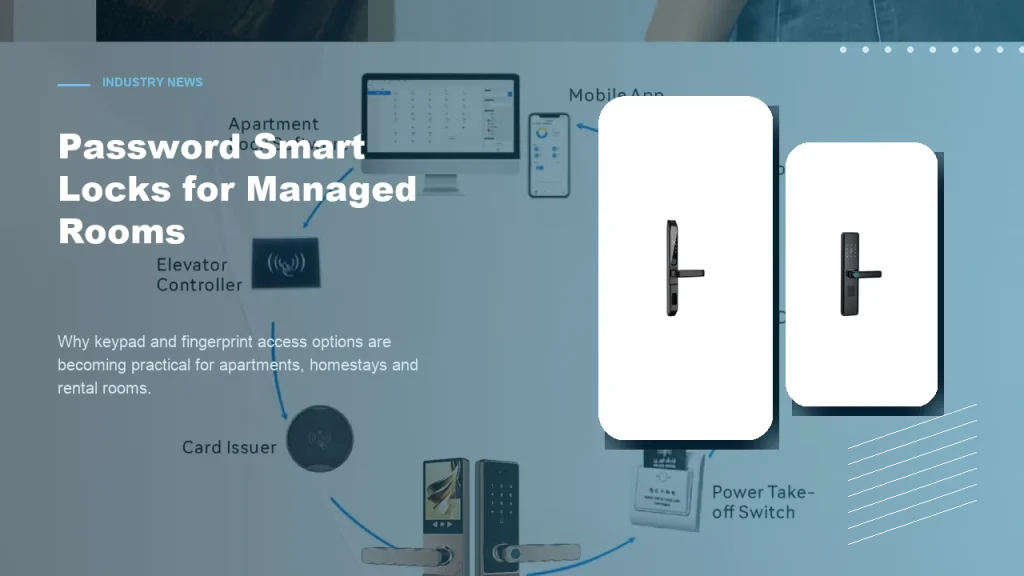
Subtitle: Keypad and fingerprint access options help apartments, homestays and rental rooms improve daily access convenience. Introduction Password smart locks are becoming a practical choice for many managed room projects. Apartments, homestays, rental rooms and small accommodation operators often need convenient access without relying only on mechanical keys. For B2B buyers, password smart locks and […]
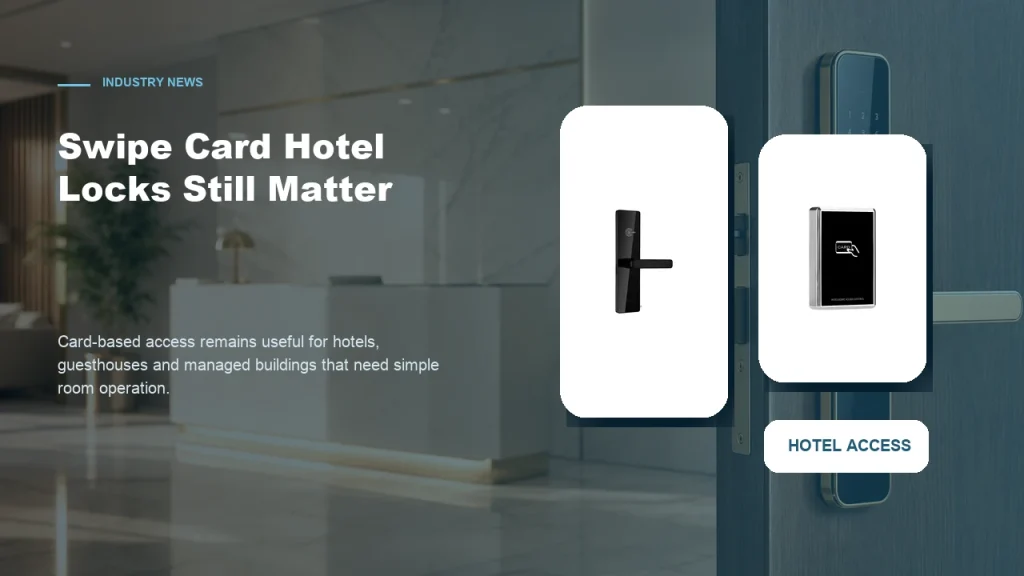
Subtitle: Card-based access remains a practical choice for properties that need simple room operation and familiar management workflows. Introduction While mobile access and password smart locks receive more attention, swipe card smart locks still have a strong role in hotel and guesthouse projects. Many accommodation operators prefer card-based access because it is familiar to staff, […]
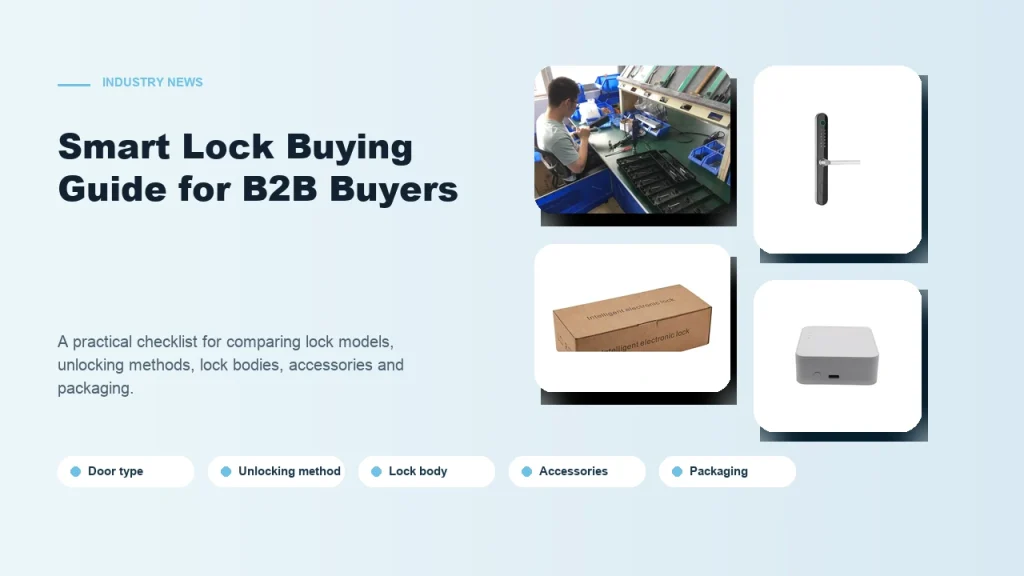
Subtitle: A practical checklist for comparing smart lock models, unlocking methods, lock bodies, accessories and packaging. Introduction Buying smart locks for a B2B project is different from buying one lock for personal use. Contractors, distributors and project buyers need to consider installation conditions, user habits, room management needs and long-term cooperation with the supplier. A […]
The feedback below reflects buyer experiences at different stages of the sourcing process, including supplier comparison, sample review, and export order preparation. Use these notes alongside your own specification checklist when evaluating Smart Code Door Lock options.
I used this page to clarify which smart code door lock configurations matched our office security upgrade before reaching out to Haolock directly.
The technical details helped me draft focused questions about keypad durability and access log features before submitting our smart code door lock inquiry.
Comparing multi-user code capacity across smart code door lock models here saved me from sending a vague request that would have wasted everyone's time.
Our facilities team needed to align on PIN-based versus app-controlled entry, and this smart code door lock content helped us agree on requirements first.
Haolock smart code door locks typically accommodate door thicknesses from 38mm to 120mm with adjustable backsets of 60mm or 70mm, making them compatible with most commercial and residential steel or wooden door frames.
Standard configurations support PIN code, RFID card, and mechanical key entry. Some models also include Bluetooth or app-based access, allowing operations managers to select the combination best suited to their access control requirements.
Lock bodies are available in zinc alloy or stainless steel. Surface finishes include satin nickel, matte black, and champagne gold, enabling buyers to match architectural specifications across large-scale property or hospitality projects.
Pre-shipment checks typically cover keypad durability, motor cycle testing, weatherproofing integrity, and battery performance. Buyers preparing RFQs should request the specific inspection report format to align with their own incoming quality standards.
OEM options include custom logo engraving, branded retail packaging, and firmware parameter adjustments such as auto-lock timing and code length. Minimum order quantities and lead times for customization should be confirmed directly during supplier communication.
After-sales support generally includes replacement parts supply, technical documentation in English, and remote troubleshooting guidance. Operations managers should clarify warranty period terms and spare-part availability timelines when reviewing export order requirements.
Submit your Smart Code Door Lock inquiry with project details including door type, required access methods, quantity range, and destination. A more complete request helps Guangdong Haolock Intelligent Technology Co., LTD provide a relevant and accurate response.