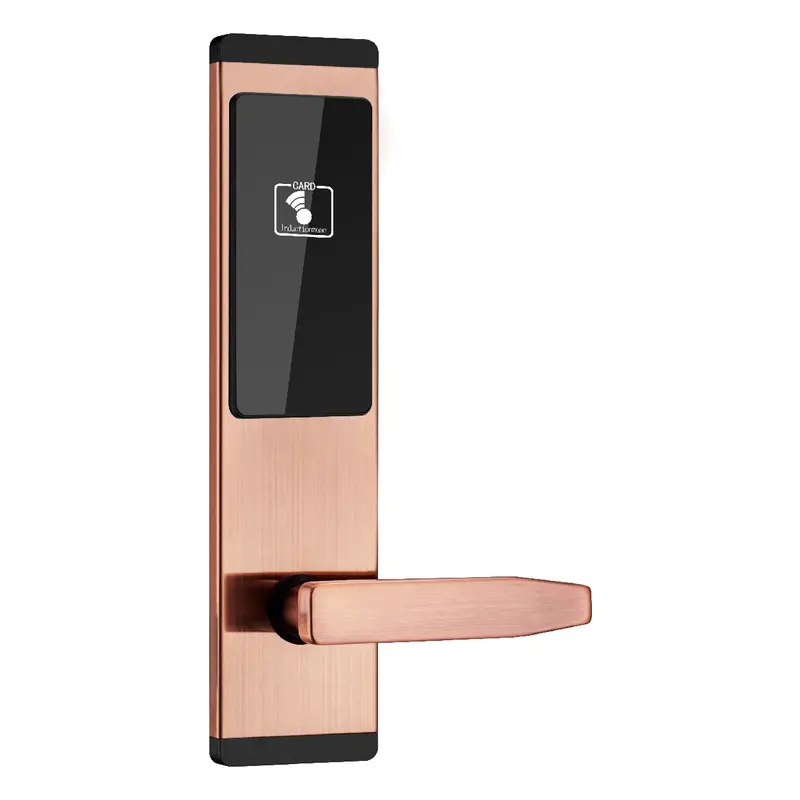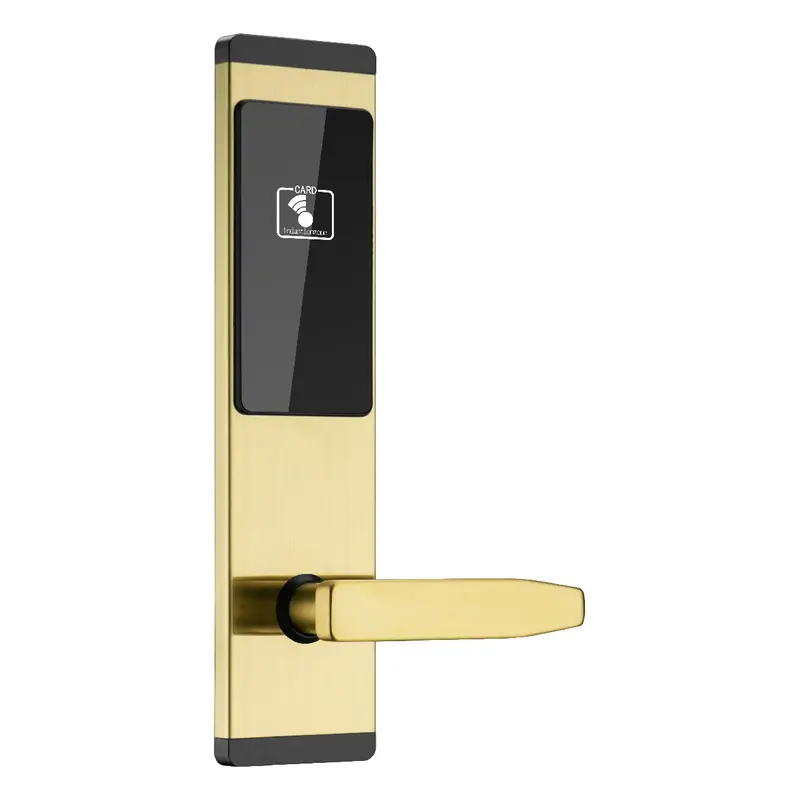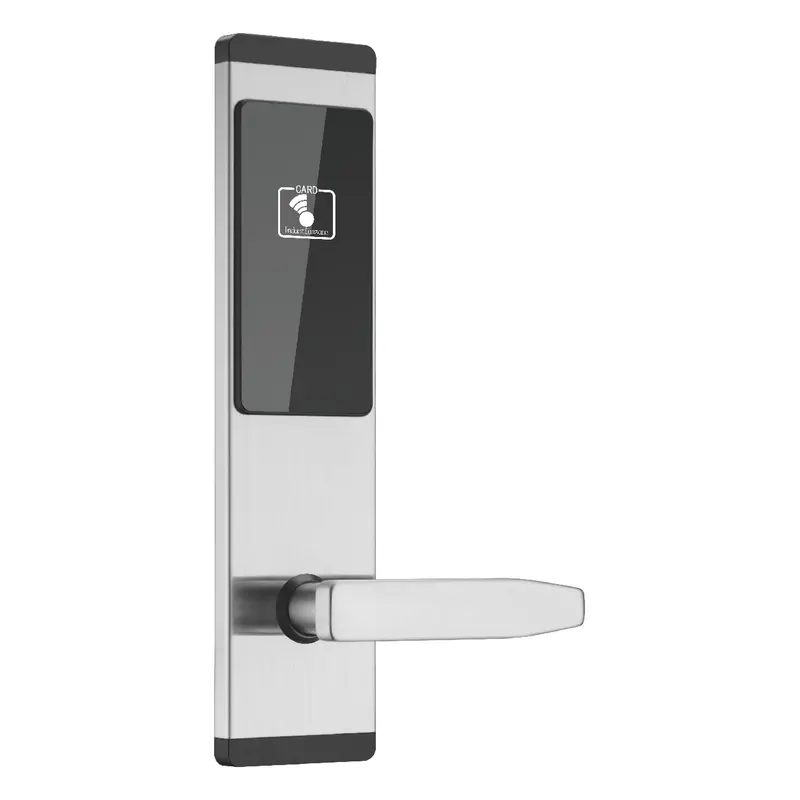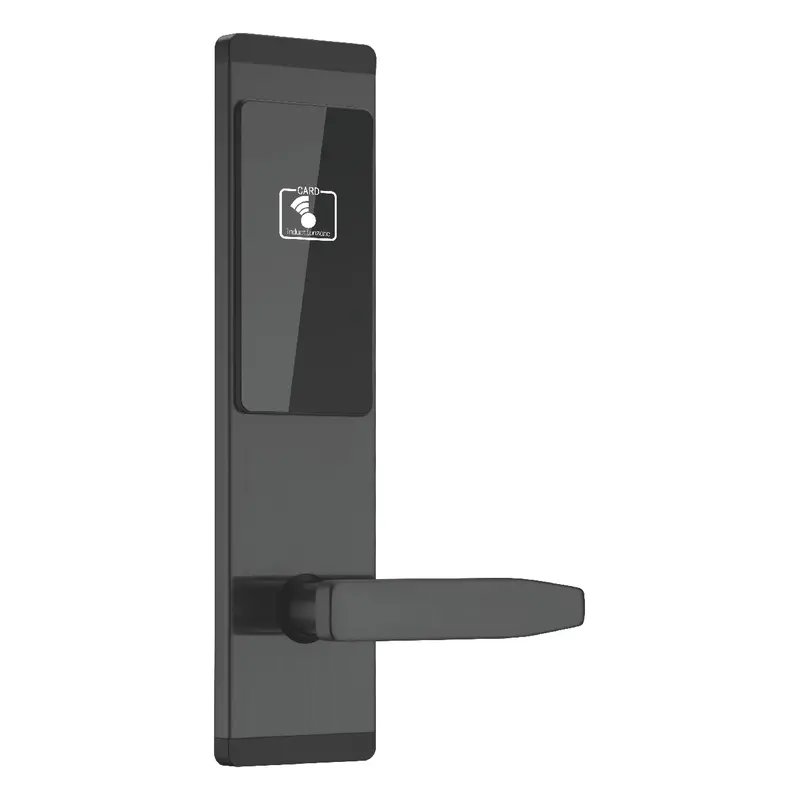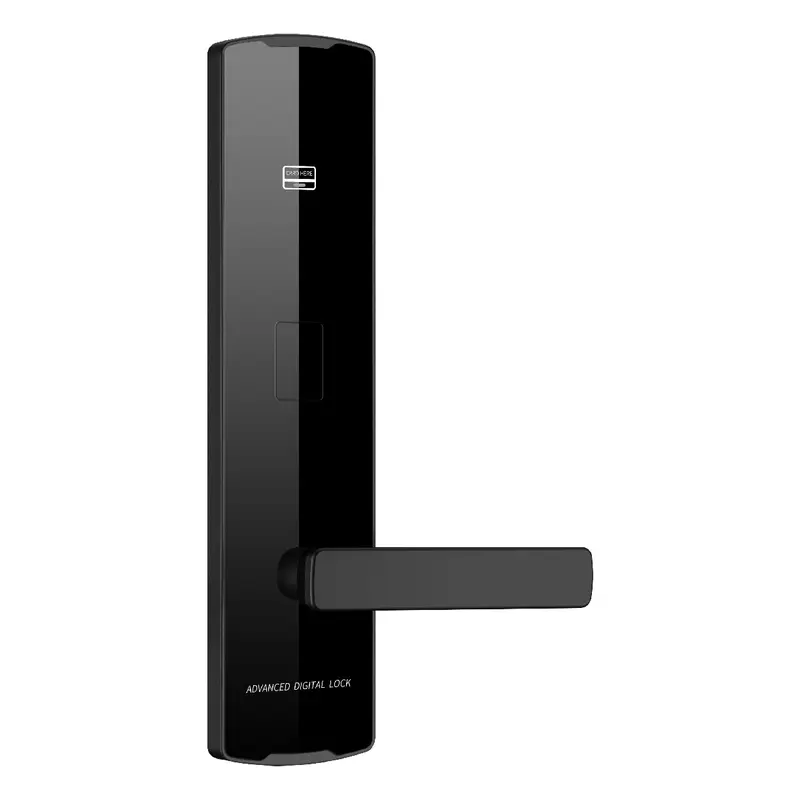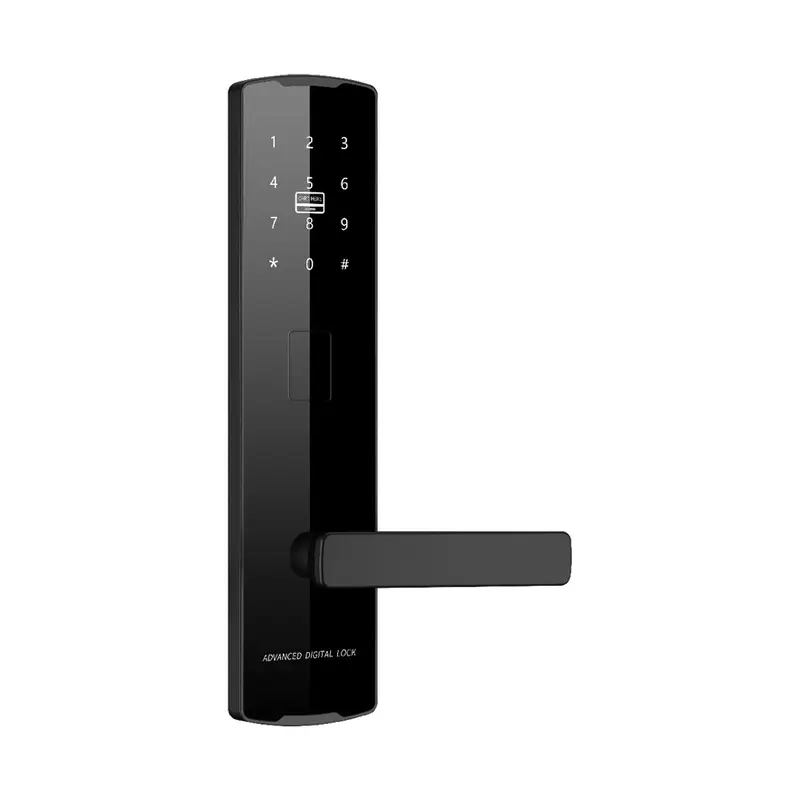
2112 Black Password Lock
Dimensions: 300x75x12mm Color: Black Material: Aluminum Oxide Profile Process: Anodized
Read More
WiFi Smart Door Lock: Supplier Evaluation & RFQ Guide | Guangdong Haolock Intelligent Technology Co., LTD
This page supports product development teams evaluating WiFi Smart Door Lock options for a new product line. It brings together relevant product references, specification checkpoints, and sourcing considerations to help your team build a more complete brief before reaching out to suppliers.
Because quality inspection points and documentation are the priority here, the content is organized to help you move from a broad keyword to a structured RFQ with fewer back-and-forth rounds.
Dimensions: 300x75x12mm Color: Black Material: Aluminum Oxide Profile Process: Anodized
Read More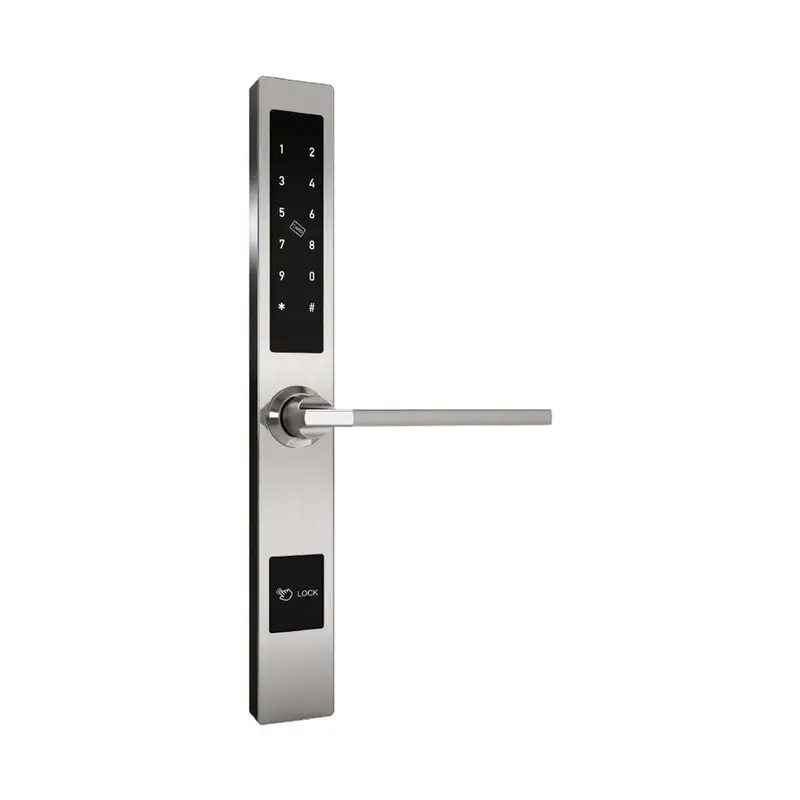
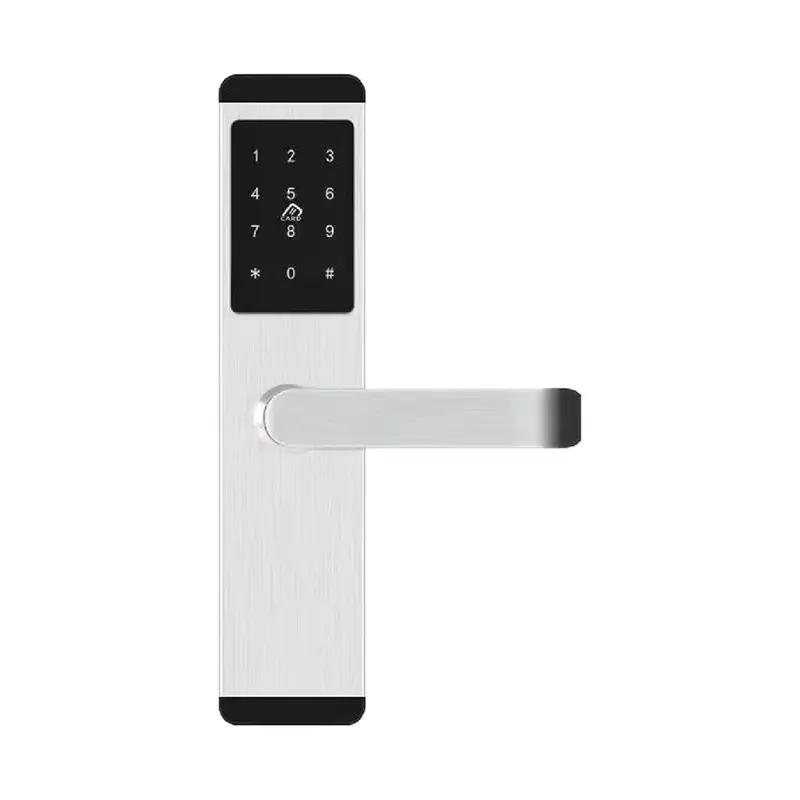
Dimensions:310x40x20mm Color:Silver Material: Aluminum alloy Process: Electroplating
Read More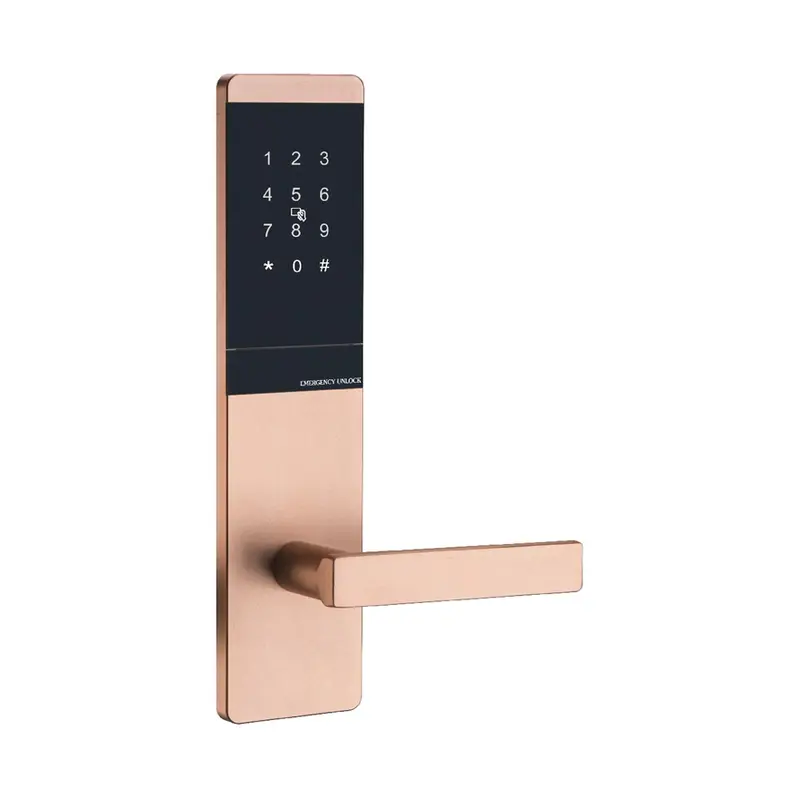
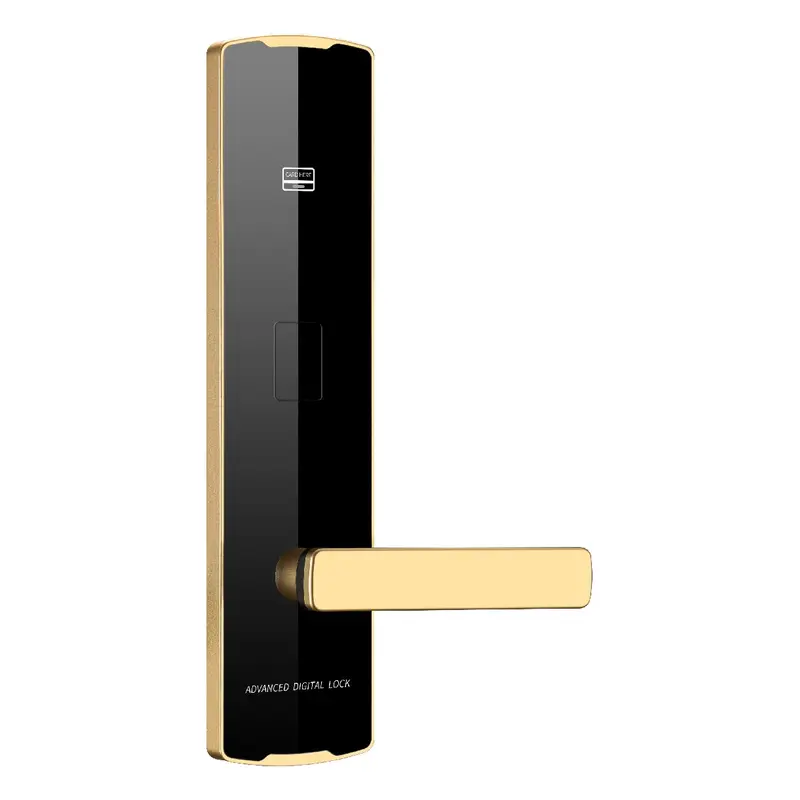
Dimensions: 300x75x10mm Color: Golden Material: Aluminum Oxide Profile Process: Anodized
Read More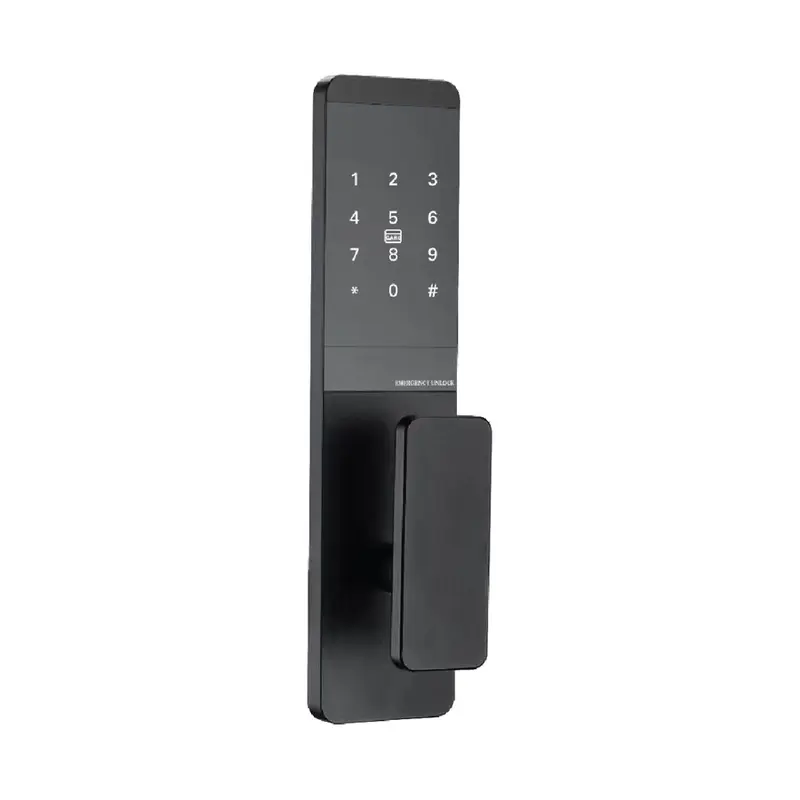
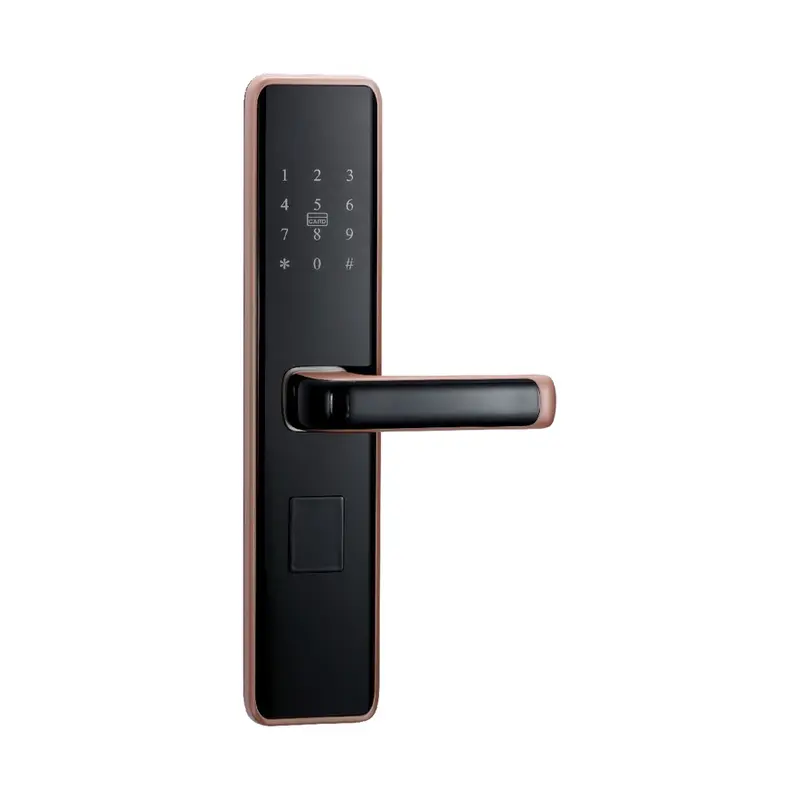
Dimensions:300x75x10mm Color:Black Material: Aluminum Oxide Profile Process: Anodizing
Read More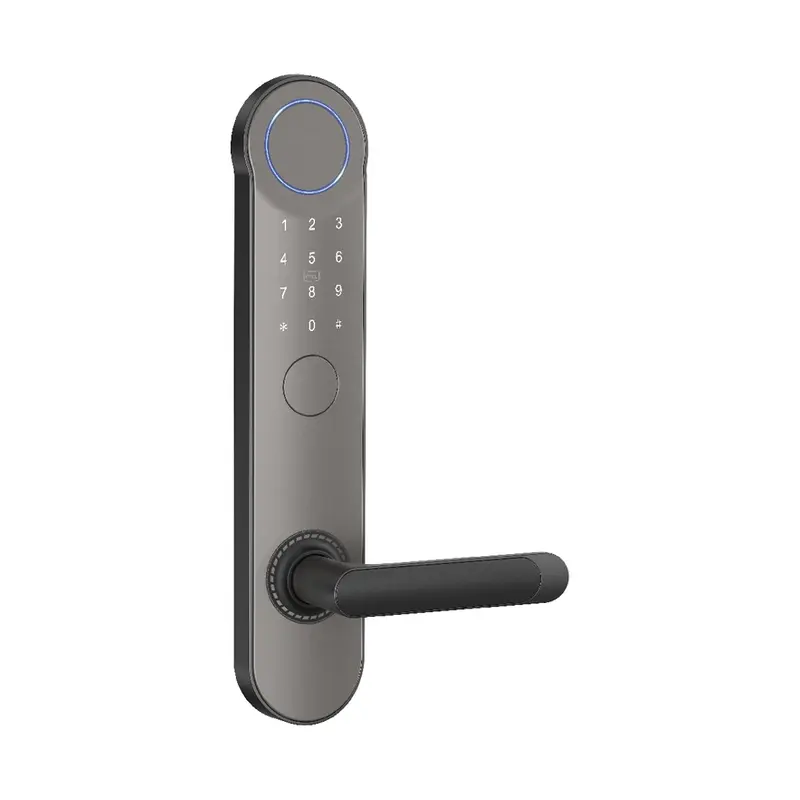
Dimensions:320x65x20mm Color: Gray Swipe card Material: Aluminum alloy Process: Spray coating
Read More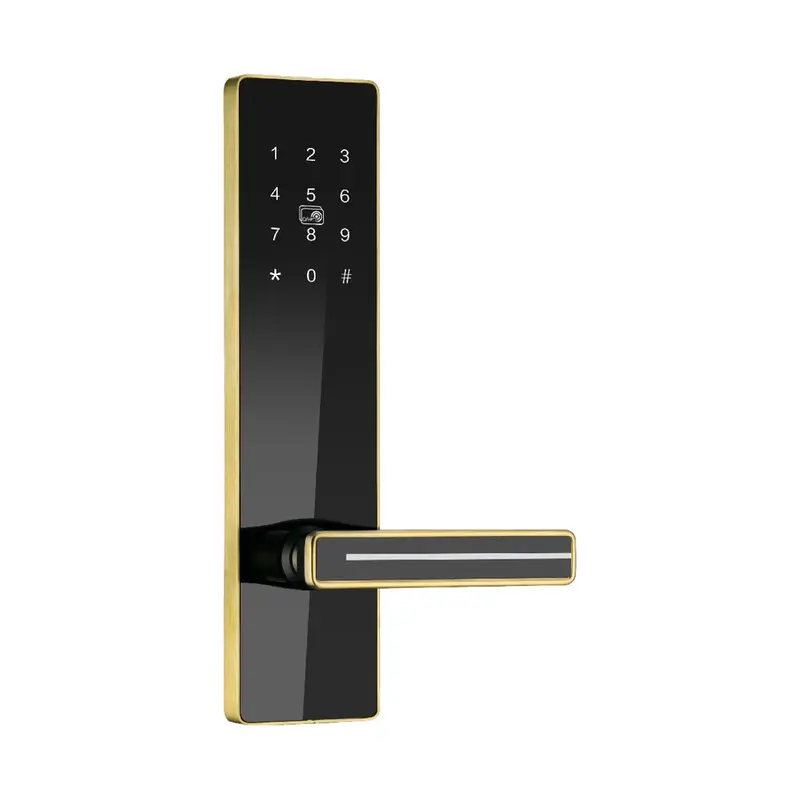
Dimensions:300x75x14.5mm Color:Golden Material: stainless steel Process: Stainless Steel Brushed Finish
Read MoreWiFi Smart Door Lock Product Reference
The related product list helps you compare WiFi Smart Door Lock by actual product direction rather than keyword wording alone. Check whether each product supports new product line development, then use the table below to prepare a clearer RFQ.
| Criterion | What To Check | Why It Matters | Buyer Tip |
|---|---|---|---|
| Wireless Protocol | Confirm dual-band WiFi (2.4GHz/5GHz) or WiFi+BLE combo | Protocol determines app connectivity range and offline fallback options | Request protocol spec sheet before RFQ; verify SDK availability for custom app integration |
| Authentication Methods | Verify supported modes: PIN, fingerprint, RFID, app, mechanical key | Multi-modal auth is a baseline expectation for mid-to-premium product lines | Ask for failure-rate data per auth method from QC batch reports |
| IP & Security Rating | Check IP65 or higher weatherproofing and anti-tamper alarm spec | Outdoor-rated locks require certified ingress protection for warranty validity | Request third-party IP rating test certificates, not just self-declared specs |
| Certifications & Compliance | Confirm CE, FCC, RoHS, and target-market security grade (e.g., ANSI Grade 2) | Missing certs block market entry and delay product launch timelines | Include cert document list as a required attachment in your RFQ template |
| OEM/ODM Documentation | Review BOM, PCB layout access, firmware version control, and NDA terms | Product development teams need full documentation for customization and QC audits | Request sample unit with engineering drawings before committing to MOQ |
WiFi Smart Door Lock products vary across connectivity protocols, access methods, housing materials, certifications, and integration compatibility. Comparing these factors against your target application and market requirements will narrow the field more effectively than reviewing catalogs alone.
This page is structured around quality review and RFQ preparation, giving your product development team a practical starting point for shortlisting suppliers and confirming technical fit before committing to samples or tooling.
Begin by documenting the non-negotiable specifications for your product line: connectivity standard, supported access methods, enclosure rating, finish options, and any certifications required for your destination market. Suppliers respond more precisely when the brief defines what cannot change versus what is open to recommendation.
When reviewing WiFi Smart Door Lock options, compare housing material and surface treatment, battery or wiring configuration, app ecosystem or SDK availability, and packaging format. If your project involves custom branding, OEM labeling, or modified firmware, communicate this early so the supplier can confirm feasibility and lead time before sampling begins.
Before requesting a formal quotation, prepare your estimated annual volume, target market, timeline from sample approval to first shipment, and the internal approval steps your team follows. This context helps suppliers prioritize your inquiry and provide more accurate pricing tiers and MOQ structures.
When evaluating supplier responses, pay close attention to quality inspection points and available documentation: test reports, certification copies, inspection procedures, and after-sales support terms. A supplier that asks clarifying questions about your application is generally more reliable than one that responds only with a standard product list.
| Criteria | Importance | Description | Example Options |
|---|---|---|---|
| Connectivity Protocol | Core Integration Requirement | Determines app compatibility, cloud platform flexibility, and IoT ecosystem fit for your product line. | 2.4GHz WiFi 802.11 b/g/n with TLS encryption |
| Authentication Methods | End-User Experience & Security | Number and type of unlock methods affects product positioning and target segment suitability. | PIN, fingerprint, RFID card, app, mechanical key |
| OEM Customization Depth | Product Differentiation | Scope of firmware, UI, and hardware customization available without minimum order constraints. | Custom SDK, branded app, logo, housing finish |
| Quality Documentation | RFQ & Compliance Readiness | Availability of test reports, BOM, and inspection records needed for procurement approval workflows. | IQC/IPQC/OQC reports, aging test data, BOM |
| After-Sales Support Model | Long-Term Partnership Value | Structured post-sale technical support reduces product line risk and accelerates issue resolution. | Dedicated engineer, firmware updates, defect analysis |
Recommended Products
Top product matches should be reviewed by fit, specification clarity, customization readiness, and how well they support quality review. Use these factors to shortlist practical options before contacting the supplier.
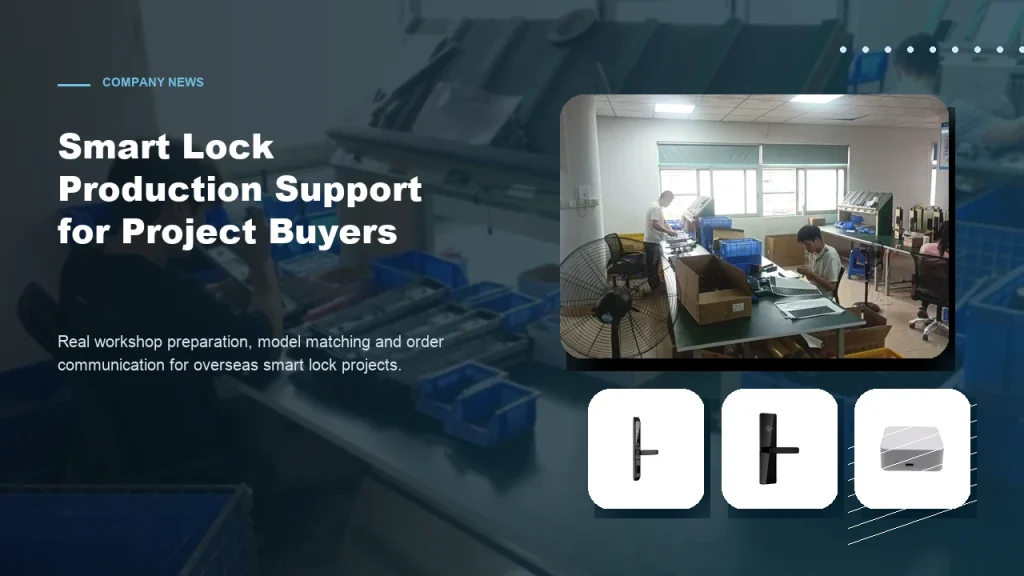
Subtitle: From workshop preparation to model selection, practical factory support helps overseas buyers order smart locks with more confidence. Introduction For overseas B2B buyers, choosing a smart lock supplier is not only about product appearance. Contractors, distributors and project buyers also care about whether the factory can support practical order preparation, model matching, packaging details […]
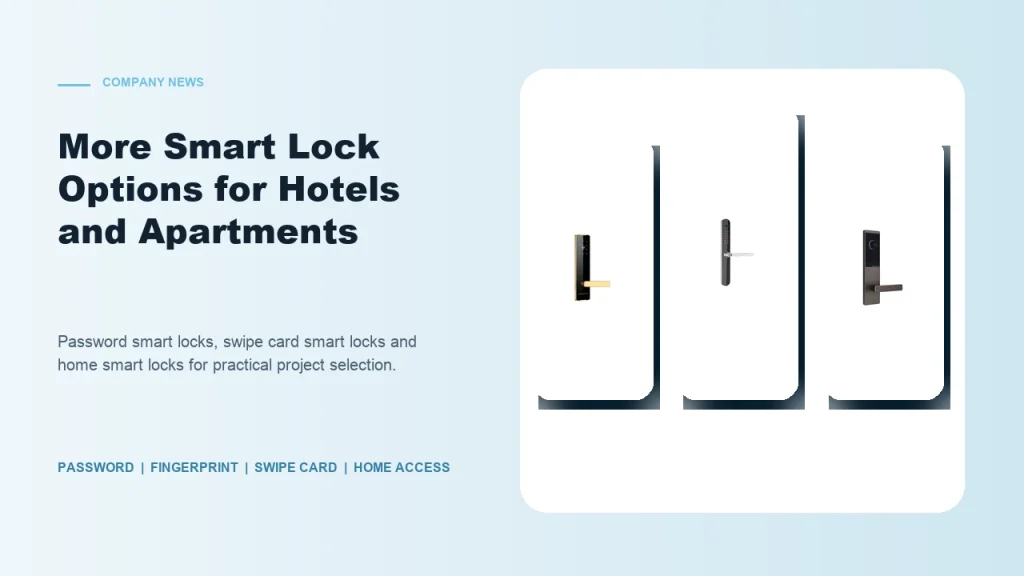
Subtitle: Password smart locks, fingerprint smart locks, swipe card locks and home smart locks help buyers match different project requirements. Introduction Smart lock buyers are no longer looking for one universal product. Hotels, apartments, schools, guesthouses, homestays and residential buildings all have different access habits and management requirements. Some projects need simple card operation. Some […]
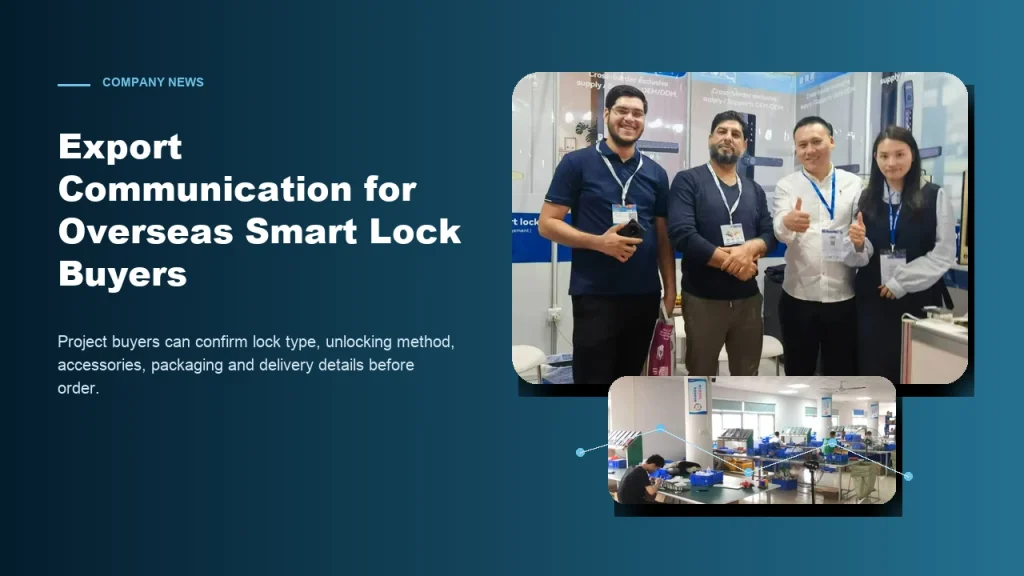
Subtitle: Clear communication helps contractors, distributors and project buyers reduce risk when sourcing smart locks from China. Introduction For global smart lock buyers, export purchasing can be challenging when product details are unclear. A buyer may see many similar lock models online, but the real project requires more information: What unlocking method is suitable? Which […]
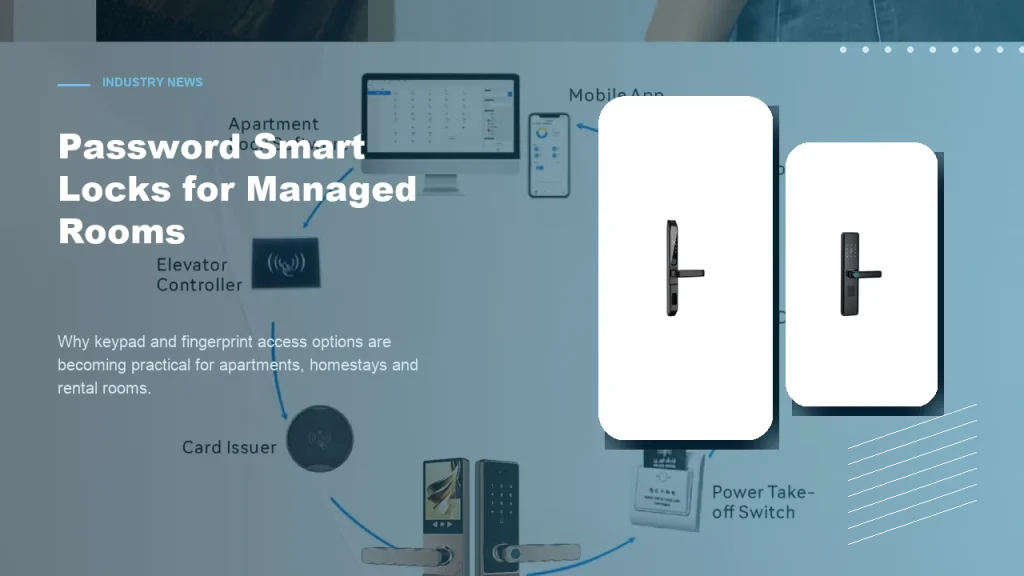
Subtitle: Keypad and fingerprint access options help apartments, homestays and rental rooms improve daily access convenience. Introduction Password smart locks are becoming a practical choice for many managed room projects. Apartments, homestays, rental rooms and small accommodation operators often need convenient access without relying only on mechanical keys. For B2B buyers, password smart locks and […]
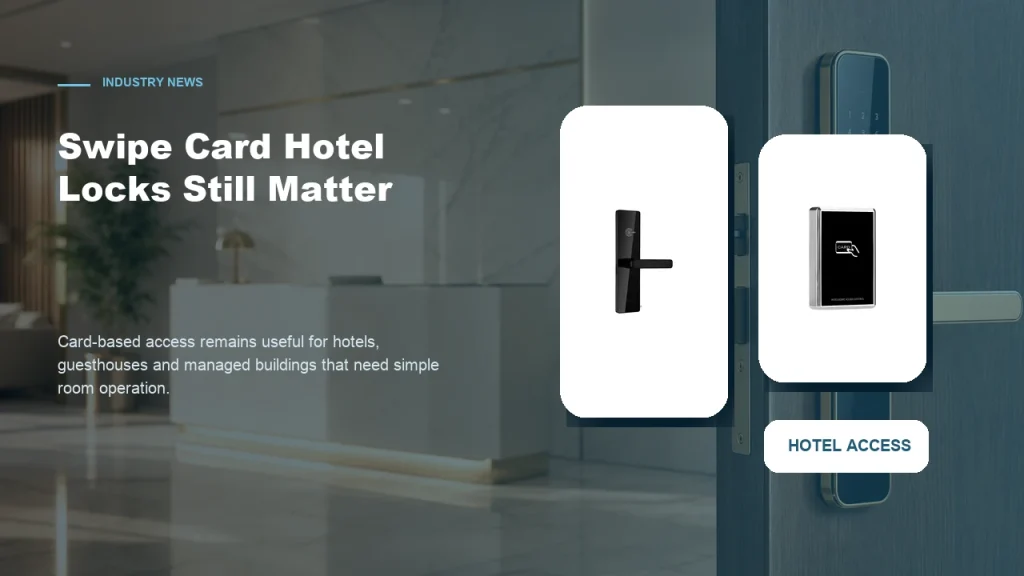
Subtitle: Card-based access remains a practical choice for properties that need simple room operation and familiar management workflows. Introduction While mobile access and password smart locks receive more attention, swipe card smart locks still have a strong role in hotel and guesthouse projects. Many accommodation operators prefer card-based access because it is familiar to staff, […]
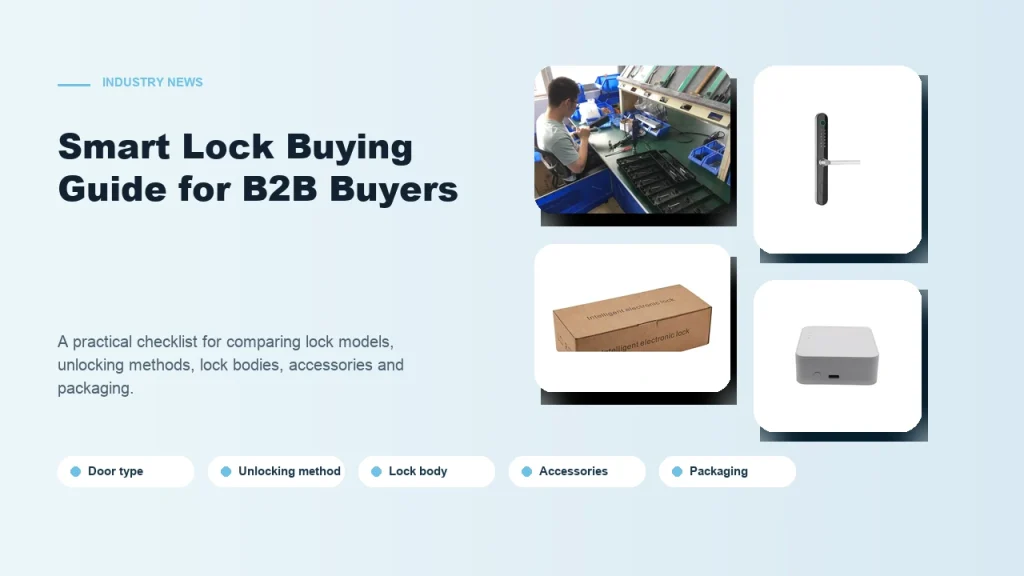
Subtitle: A practical checklist for comparing smart lock models, unlocking methods, lock bodies, accessories and packaging. Introduction Buying smart locks for a B2B project is different from buying one lock for personal use. Contractors, distributors and project buyers need to consider installation conditions, user habits, room management needs and long-term cooperation with the supplier. A […]
The feedback below reflects buyer experiences at stages including product shortlisting, specification review, sample confirmation, and supplier comparison. Use these notes to identify quality checkpoints and communication patterns relevant to your own evaluation process.
This tag page helped me filter WiFi smart door lock models by connectivity specs before reaching out to suppliers with targeted questions.
I referenced this page when comparing remote access features across WiFi smart door lock options, which made my RFQ much more specific and useful.
The grouped articles on WiFi smart door lock technology helped me understand what installation and integration questions to ask before committing to a supplier.
Browsing this tag gave me a clearer picture of WiFi smart door lock compatibility requirements, which I needed before drafting our building access upgrade proposal.
We provide full technical datasheets, PCB schematics, firmware version records, BOM lists, and compliance test reports to support your RFQ preparation and internal product development review process.
The lock uses auto-reconnect protocols with local offline mode fallback, ensuring mechanical key and stored credential access remain functional during WiFi outages without requiring manual reset procedures.
We support custom firmware branding, app SDK integration, housing color and finish, logo engraving, and packaging design tailored to your product line development requirements and target market specifications.
Inspection includes IQC for components, IPQC at assembly stages, OQC covering latch cycle testing, WiFi signal stability, encryption validation, and final aging tests before shipment approval.
Yes, engineering samples with your branded firmware build can be arranged for functional validation, allowing your product development team to conduct integration testing before committing to mass production orders.
We provide dedicated technical account support, firmware update access, defect analysis reports, and replacement part supply agreements to ensure continuity throughout your product lifecycle and post-launch support phases.
Submit your project details using the form below. Include your target application, key specifications, estimated quantity, destination market, and any documentation or certification requirements. A more complete brief helps reduce clarification rounds and speeds up sample and quotation timelines.