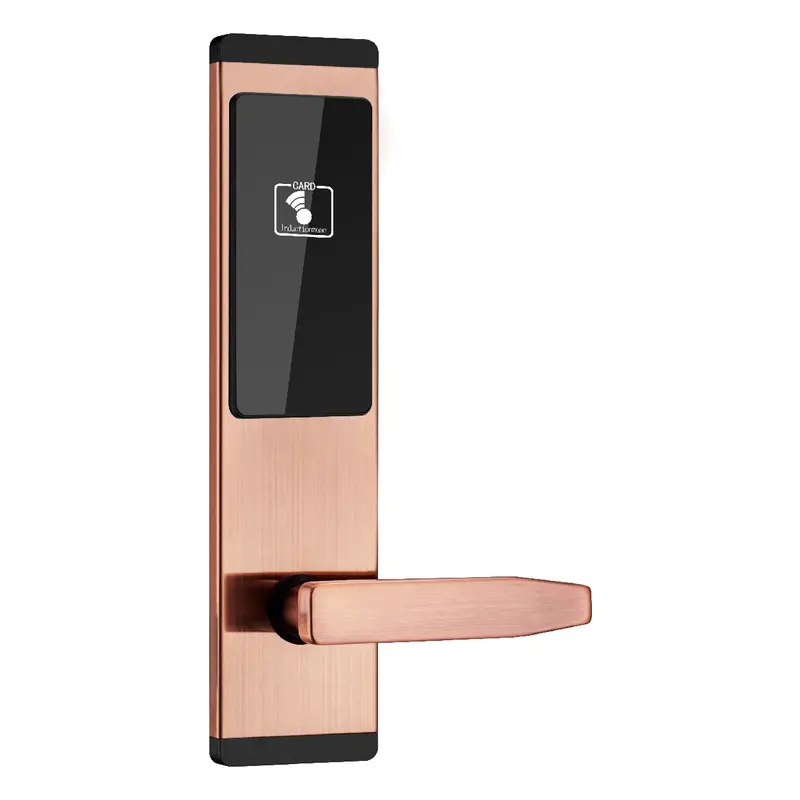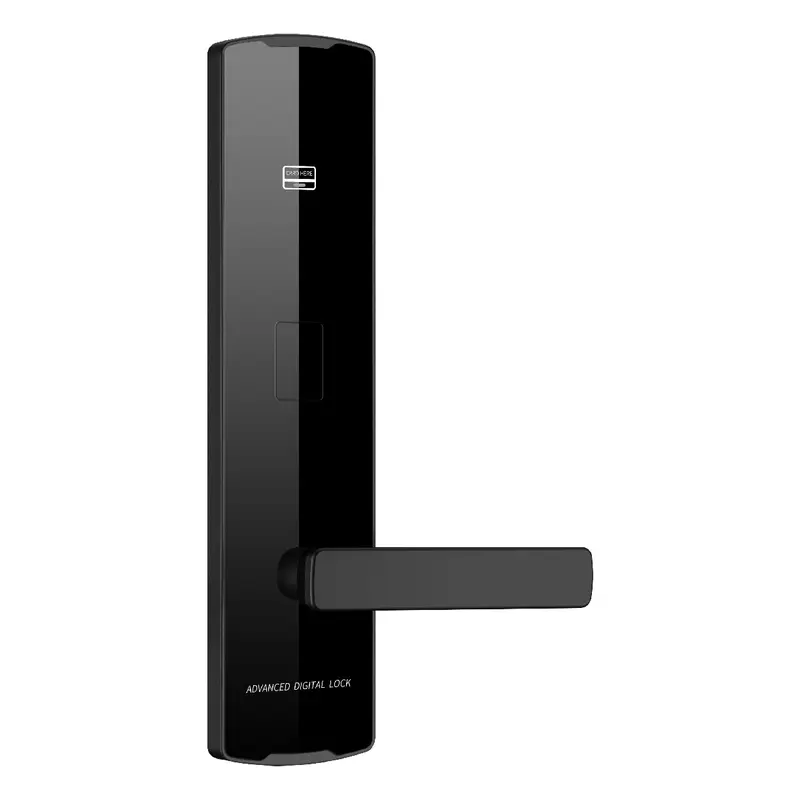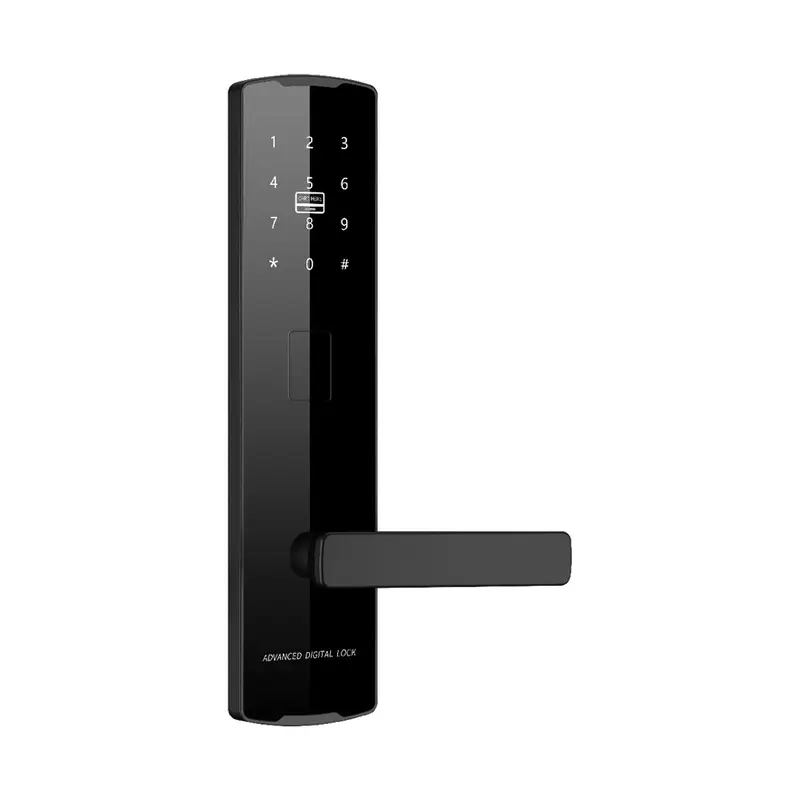
2112 Black Password Lock
Dimensions: 300x75x12mm Color: Black Material: Aluminum Oxide Profile Process: Anodized
Read More
How to Reset a TTLock Smart Lock: A Step-by-Step Guide | Guangdong Haolock Intelligent Technology Co., LTD
This page supports product development teams evaluating TTLock smart lock reset procedures as part of a new product line review. It brings together relevant product matches, specification notes, and sourcing considerations so your initial inquiry is focused and actionable.
For teams prioritizing quality inspection points and documentation, the content here is organized to help you move from a broad search term to specific supplier questions before your first RFQ is drafted.
Dimensions: 300x75x12mm Color: Black Material: Aluminum Oxide Profile Process: Anodized
Read More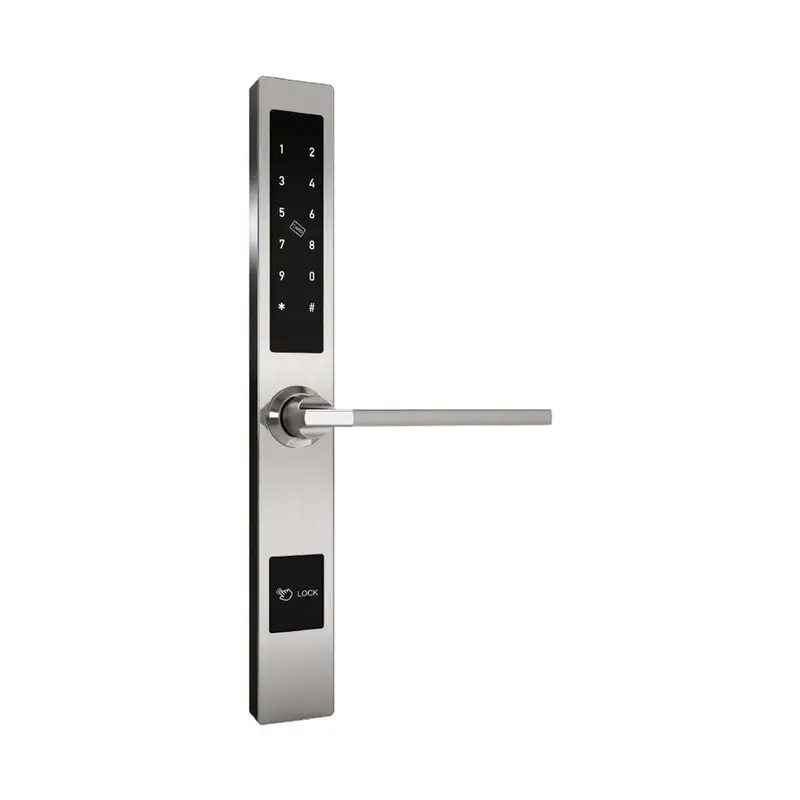
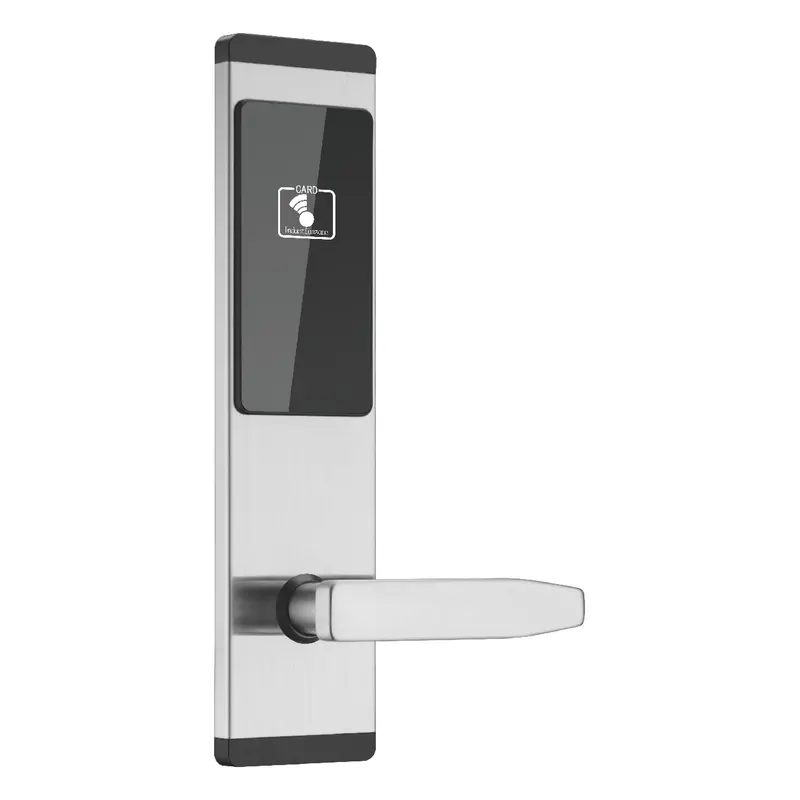
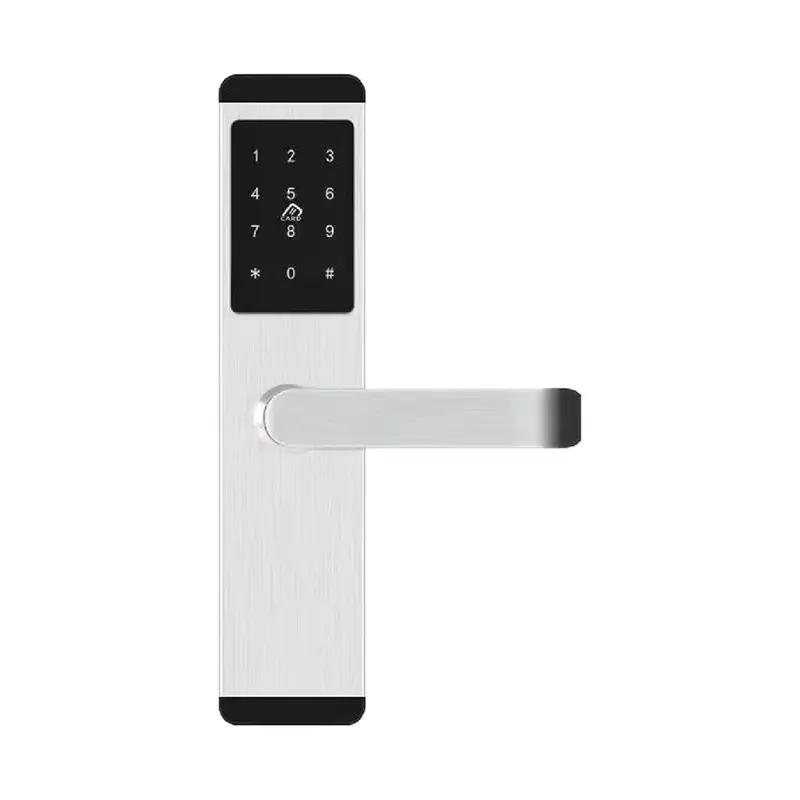
Dimensions:310x40x20mm Color:Silver Material: Aluminum alloy Process: Electroplating
Read More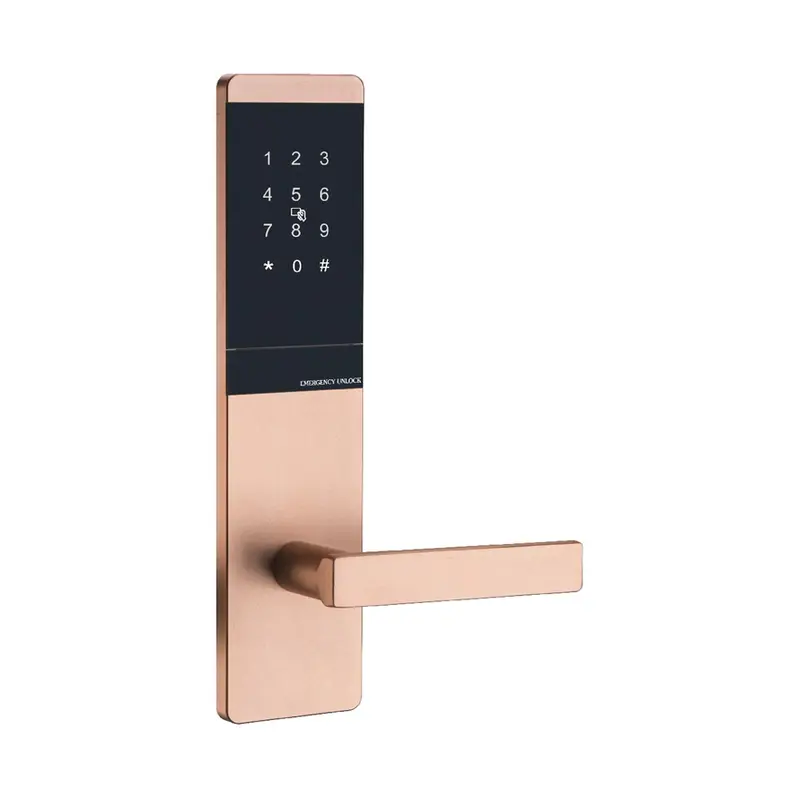
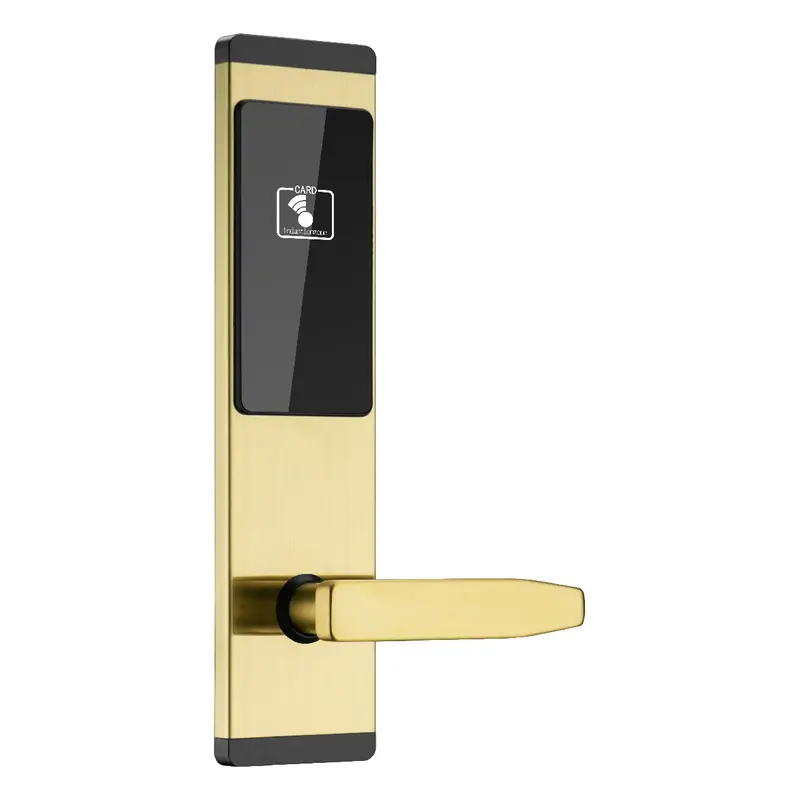
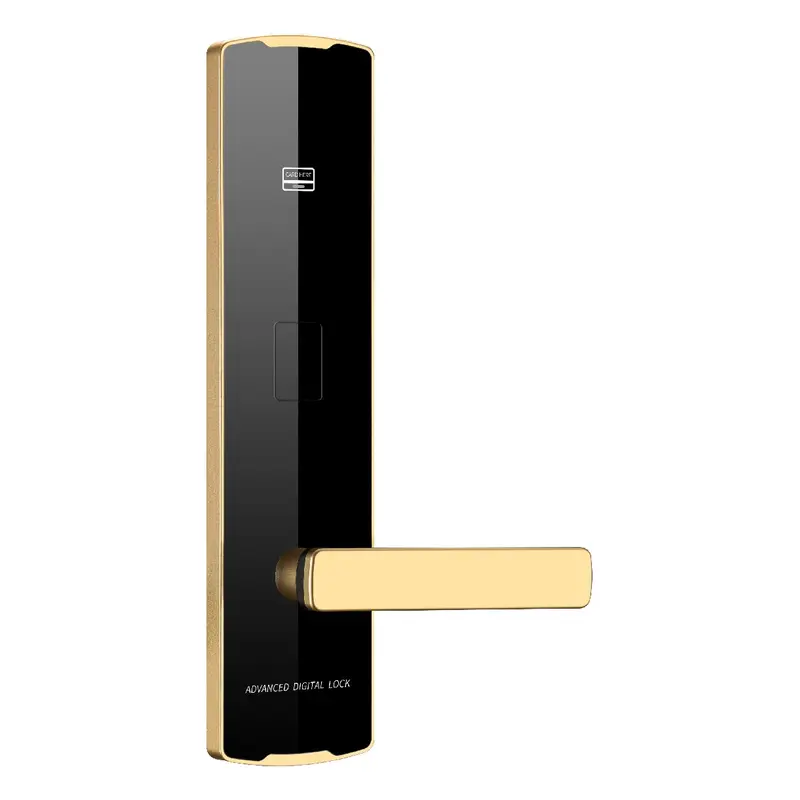
Dimensions: 300x75x10mm Color: Golden Material: Aluminum Oxide Profile Process: Anodized
Read More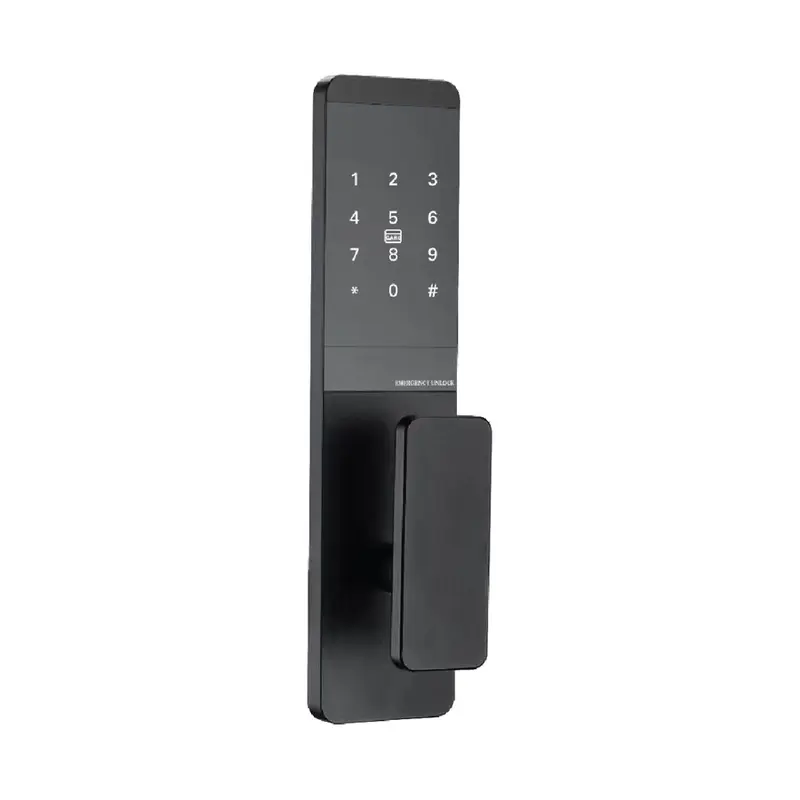
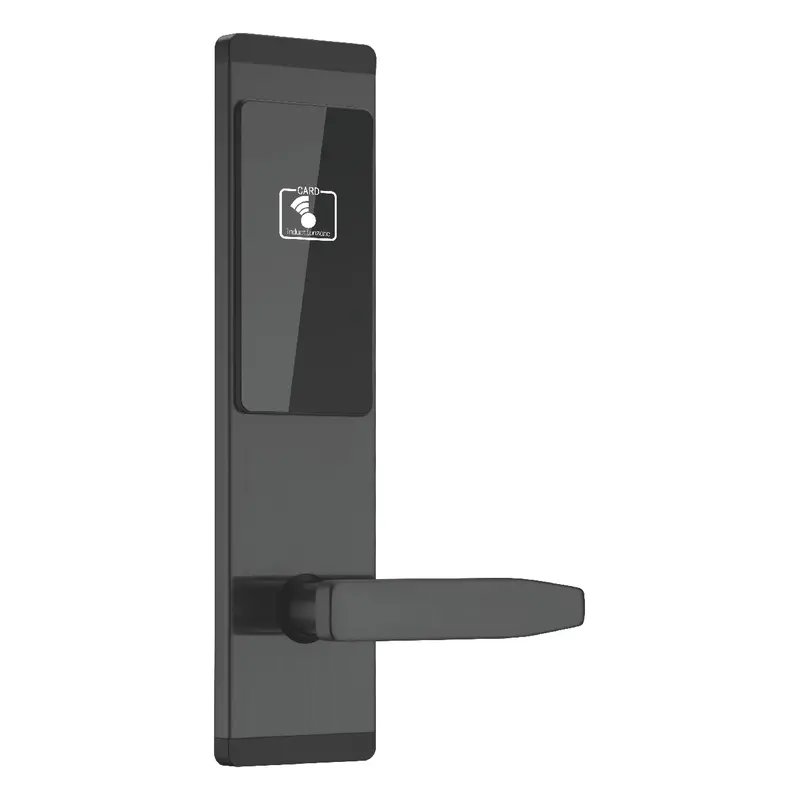
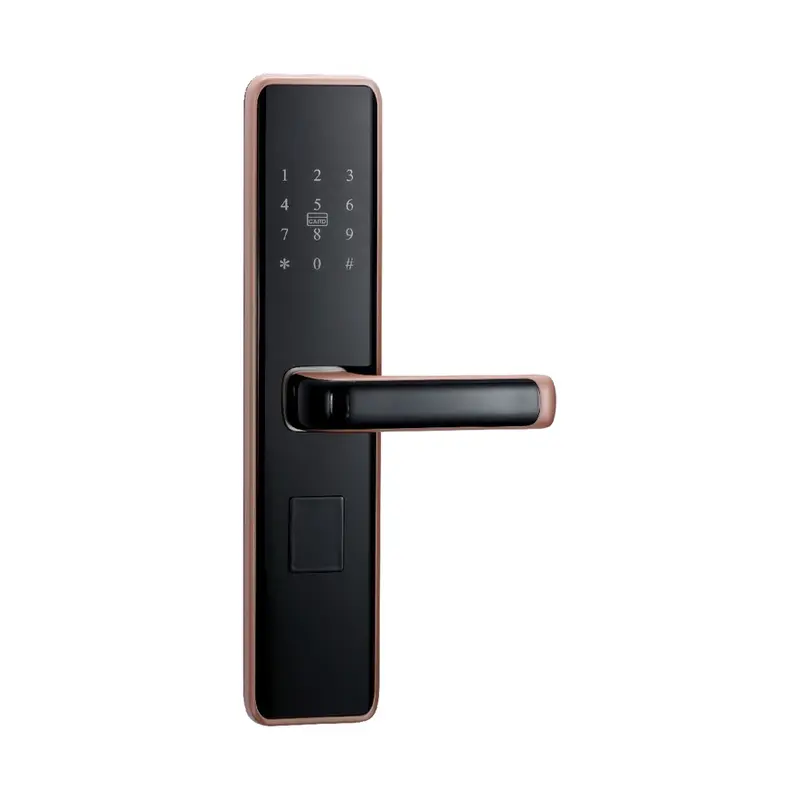
Dimensions:300x75x10mm Color:Black Material: Aluminum Oxide Profile Process: Anodizing
Read More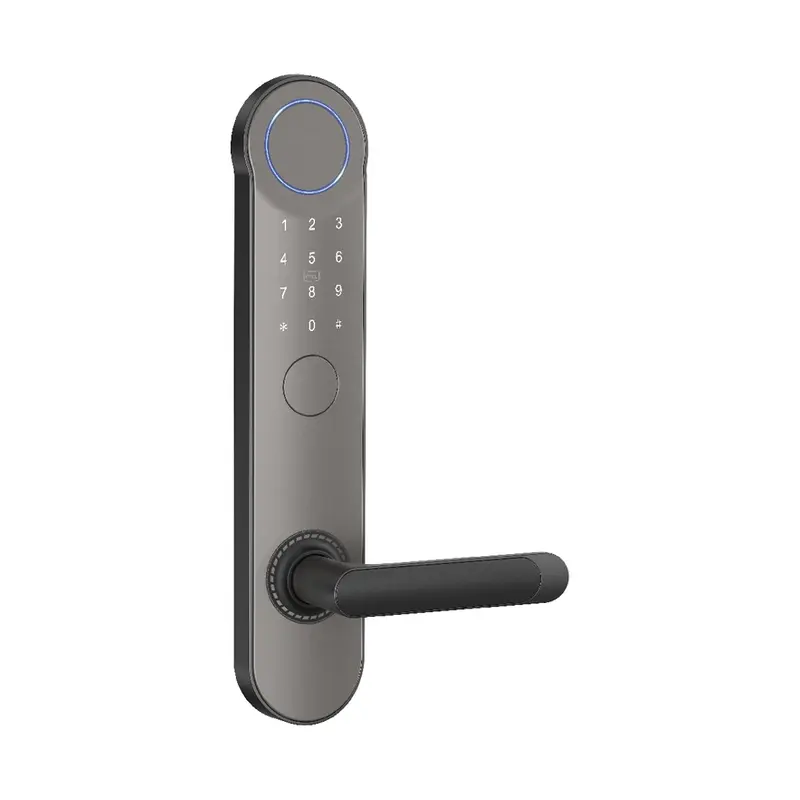
Dimensions:320x65x20mm Color: Gray Swipe card Material: Aluminum alloy Process: Spray coating
Read More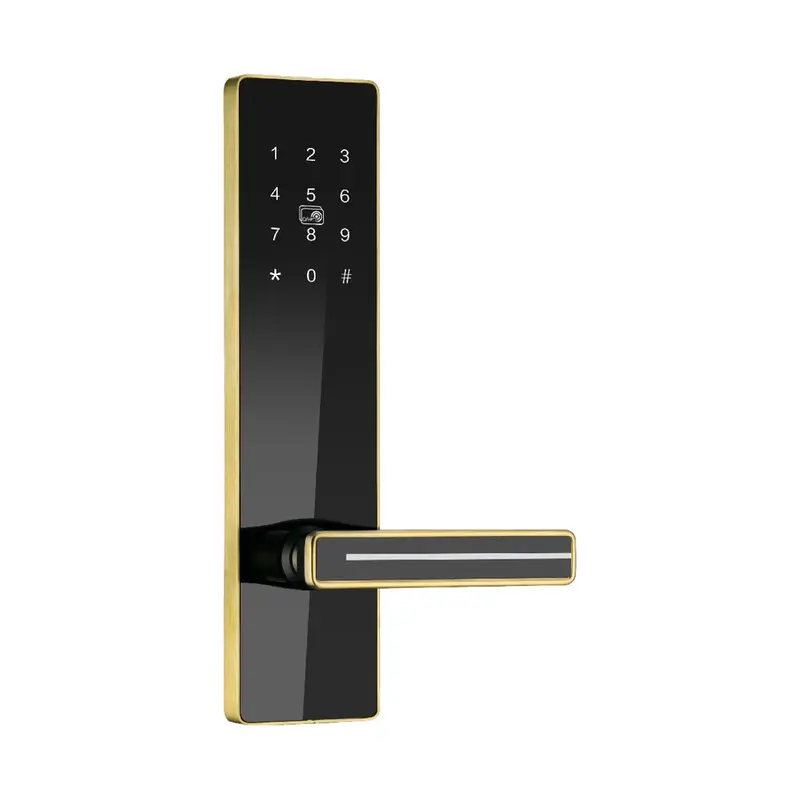
Dimensions:300x75x14.5mm Color:Golden Material: stainless steel Process: Stainless Steel Brushed Finish
Read MoreTTLock Smart Lock Models for Product Line Review
The related product list helps you compare How To Reset A TTLock Smart Lock by actual product direction rather than keyword wording alone. Check whether each product supports new product line development, then use the table below to prepare a clearer RFQ.
| Criterion | What To Check | Why It Matters | Buyer Tip |
|---|---|---|---|
| Reset Method Availability | Confirm hardware reset button or app-based reset is supported | Some TTLock models only support one reset path; mismatched method causes project delays | Request model-specific reset documentation from supplier before bulk order |
| Firmware Version Compatibility | Verify reset procedure matches current firmware version | Outdated firmware may alter reset behavior, affecting QC consistency across units | Ask supplier for firmware changelog and confirm reset steps per version |
| Admin Credential Clearance | Ensure factory reset fully removes all admin and user credentials | Incomplete credential wipe is a critical security gap in B2B deployments | Test reset on sample units and re-pair to confirm clean slate before acceptance |
| TTLock App Re-binding Process | Confirm lock can be re-added to TTLock app post-reset without errors | Smooth re-binding is essential for after-sales support and end-user handover | Document re-binding steps in your product line SOP for support team reference |
| Reset Documentation Quality | Evaluate clarity of supplier-provided reset instructions and multilingual support | Poor documentation increases after-sales costs and customer complaints at scale | Request sample user manuals and check for step-by-step reset diagrams in RFQ stage |
To reset a TTLock smart lock, open the TTLock app, navigate to the lock settings, and select the factory reset or delete lock option. On the hardware side, most TTLock-compatible locks have a physical reset button or pin hole that restores default credentials when held for several seconds. The exact sequence varies by model, so confirming the reset procedure with your supplier's technical documentation before deployment is recommended.
For product development teams, understanding the reset workflow matters beyond end-user support. It affects firmware configuration planning, after-sales documentation requirements, and how reset behavior should be specified in your product brief before bulk production begins.
Begin your sourcing review by confirming which TTLock-compatible lock models your project requires and whether the reset procedure is consistent across SKUs in that range. Variation in reset behavior between hardware revisions can create after-sales complexity, so ask suppliers to confirm firmware version alignment and whether reset logic is standardized across a production batch.
When preparing your RFQ, include the application context clearly. Specify whether the locks will be used in residential, commercial, or OEM product line scenarios, as this affects which documentation the supplier should provide, including reset guides, app integration notes, and quality inspection records. Suppliers with structured technical documentation are easier to evaluate at this stage.
Request sample units before committing to bulk quantities, and use the reset procedure as part of your quality inspection checklist. Verify that the physical reset mechanism functions as documented, that the TTLock app responds correctly after a reset, and that default credentials are clearly defined. Document any inconsistencies and raise them before finalizing specifications.
When comparing supplier responses, prioritize those who provide clear after-sales support commitments alongside their product listings. A supplier able to explain reset behavior, firmware update paths, and customization limits in writing gives your product development team a stronger foundation for both internal review and downstream customer support planning.
| Criteria | Importance | Description | Example Options |
|---|---|---|---|
| Reset Method | High | Physical button vs. app-initiated reset affects installation workflow and field serviceability. | Button-hold reset suits hardware teams; app reset suits remote IT management. |
| OEM Documentation | High | Supplier-provided reset manuals reduce QA errors during new product line development. | Haolock supplies model-specific reset guides for custom OEM projects. |
| Firmware Preservation | Medium | Whether custom firmware survives a reset determines re-deployment effort and cost. | Partitioned firmware retains branding; full wipe requires re-flashing units. |
| Admin Permission Control | Medium | Restricting reset access to authorized roles prevents accidental or unauthorized lock clearing. | Multi-tenant apps require role-based reset permissions via TTLock API. |
| After-Sales Reset Support | High | Supplier responsiveness to field reset failures impacts product line reliability and client trust. | Remote diagnostics and SDK support reduce on-site service visits. |
Recommended Products
Top product matches should be reviewed by fit, specification clarity, customization readiness, and how well they support quality review. Use these factors to shortlist practical options before contacting the supplier.
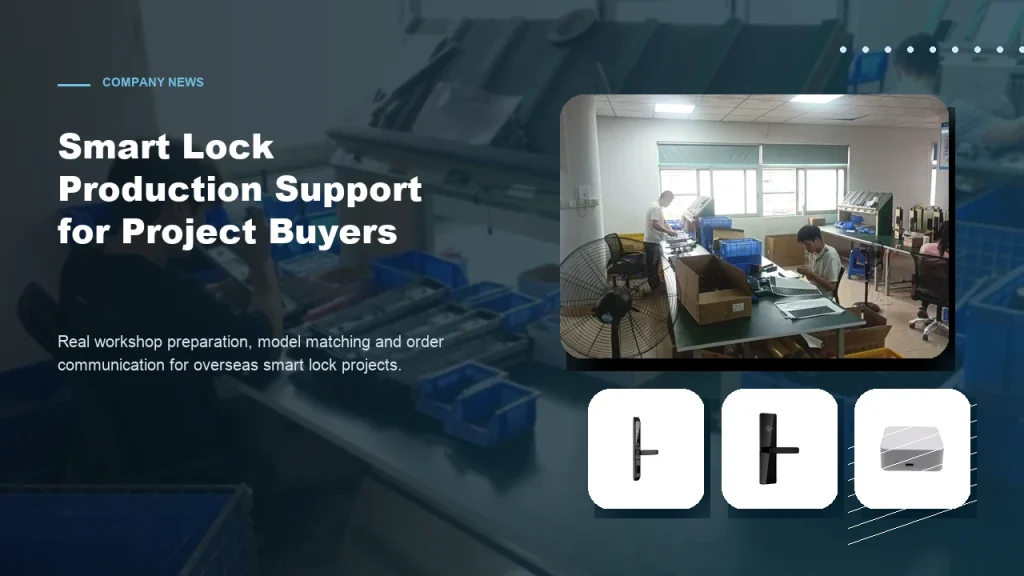
Subtitle: From workshop preparation to model selection, practical factory support helps overseas buyers order smart locks with more confidence. Introduction For overseas B2B buyers, choosing a smart lock supplier is not only about product appearance. Contractors, distributors and project buyers also care about whether the factory can support practical order preparation, model matching, packaging details […]
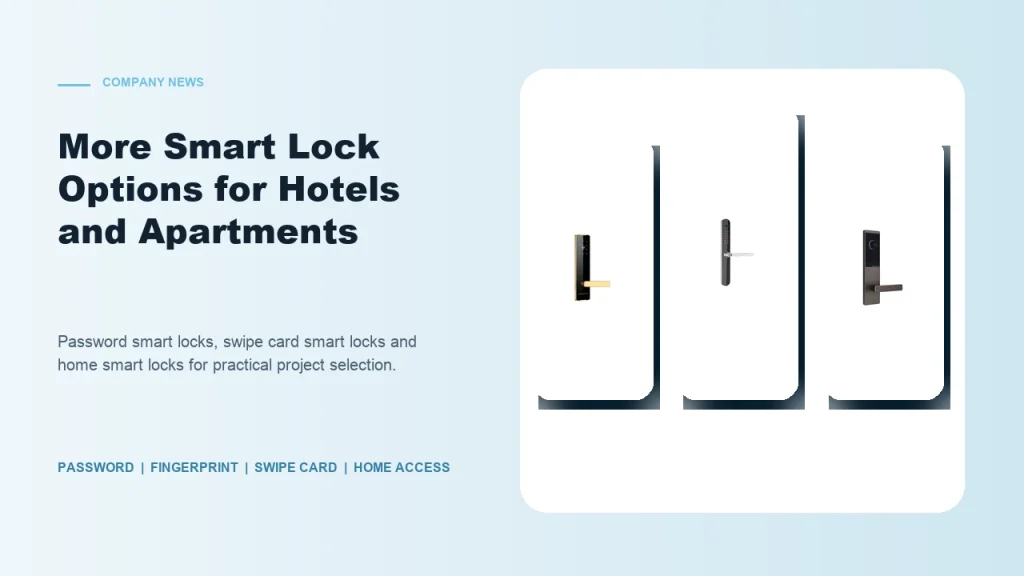
Subtitle: Password smart locks, fingerprint smart locks, swipe card locks and home smart locks help buyers match different project requirements. Introduction Smart lock buyers are no longer looking for one universal product. Hotels, apartments, schools, guesthouses, homestays and residential buildings all have different access habits and management requirements. Some projects need simple card operation. Some […]
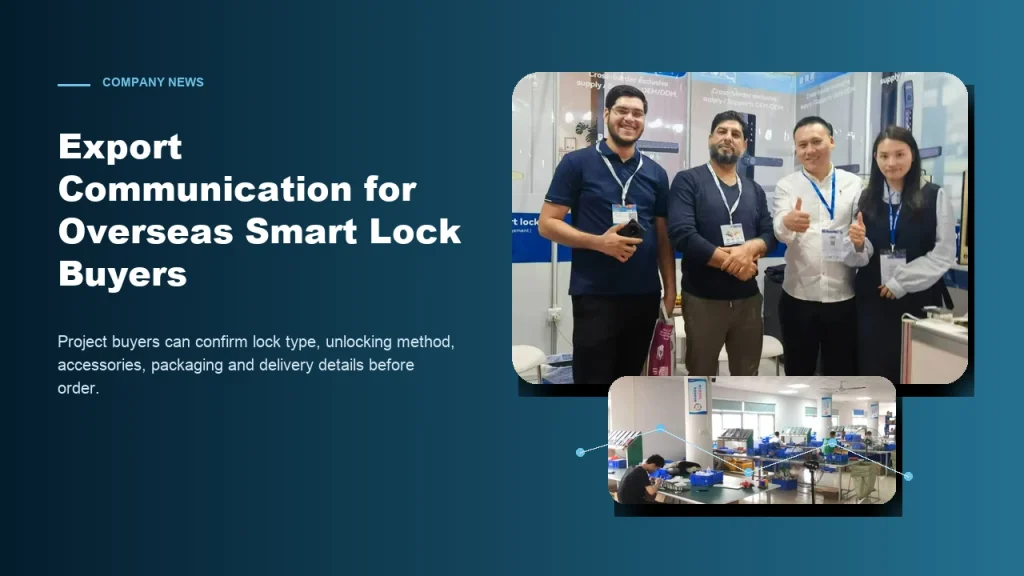
Subtitle: Clear communication helps contractors, distributors and project buyers reduce risk when sourcing smart locks from China. Introduction For global smart lock buyers, export purchasing can be challenging when product details are unclear. A buyer may see many similar lock models online, but the real project requires more information: What unlocking method is suitable? Which […]
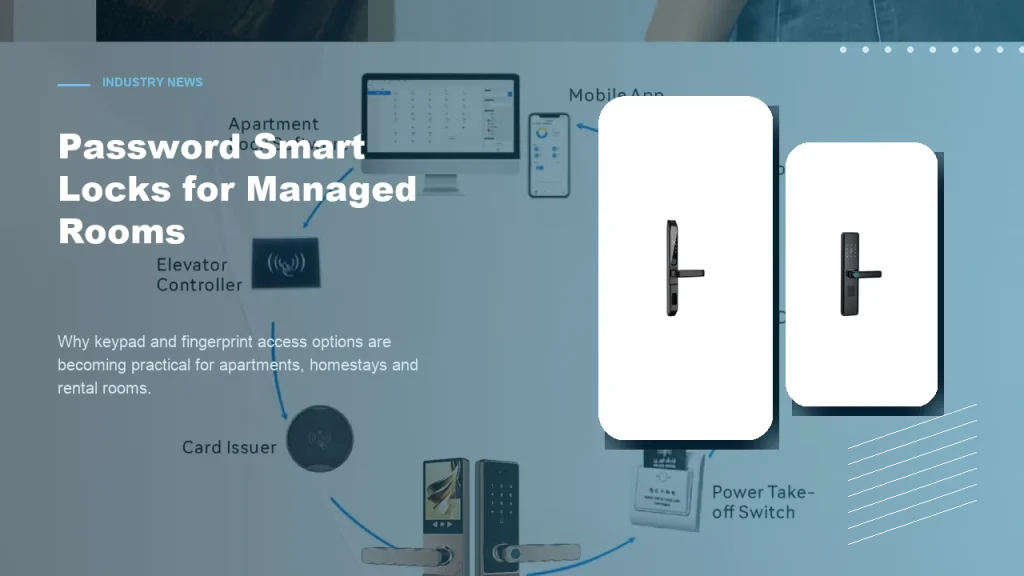
Subtitle: Keypad and fingerprint access options help apartments, homestays and rental rooms improve daily access convenience. Introduction Password smart locks are becoming a practical choice for many managed room projects. Apartments, homestays, rental rooms and small accommodation operators often need convenient access without relying only on mechanical keys. For B2B buyers, password smart locks and […]
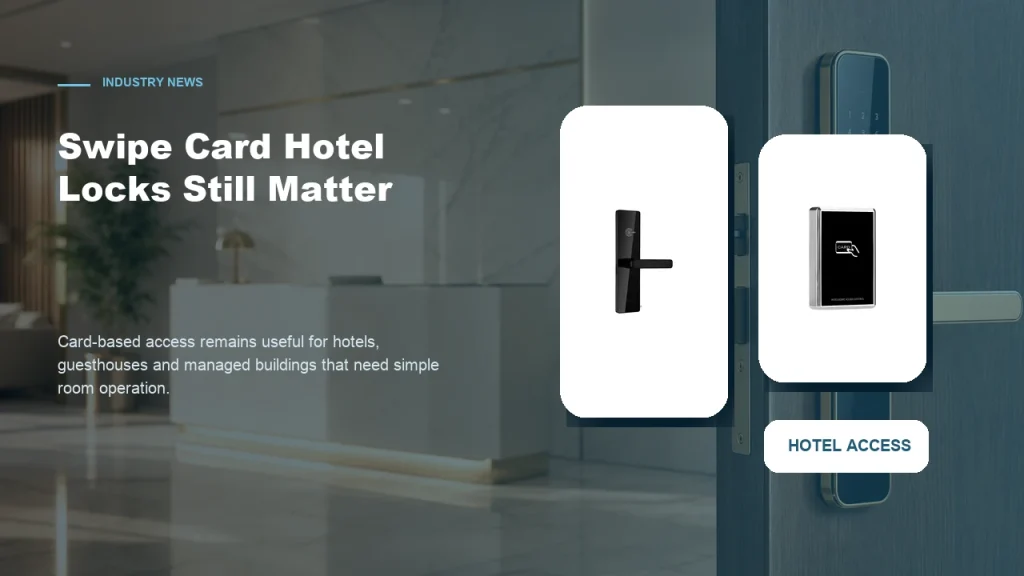
Subtitle: Card-based access remains a practical choice for properties that need simple room operation and familiar management workflows. Introduction While mobile access and password smart locks receive more attention, swipe card smart locks still have a strong role in hotel and guesthouse projects. Many accommodation operators prefer card-based access because it is familiar to staff, […]
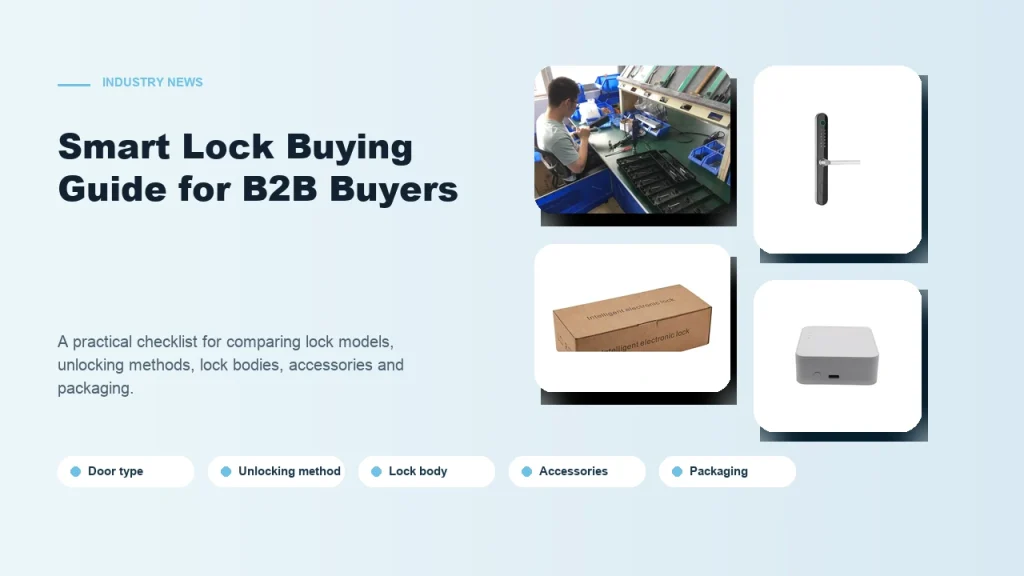
Subtitle: A practical checklist for comparing smart lock models, unlocking methods, lock bodies, accessories and packaging. Introduction Buying smart locks for a B2B project is different from buying one lock for personal use. Contractors, distributors and project buyers need to consider installation conditions, user habits, room management needs and long-term cooperation with the supplier. A […]
The buyer feedback below reflects common evaluation situations, including specification checks, supplier comparisons, and custom project planning. Use these notes to identify quality inspection points and documentation gaps before submitting your inquiry.
I finally understood the TTLock reset process after visiting this page, which saved me from contacting support unnecessarily before our office rollout.
Our facilities team used this to walk through resetting TTLock units on-site without guessing which button sequence applied to our specific model.
Before reaching out for a bulk inquiry, I confirmed the reset procedure here so I could ask more informed questions about multi-unit management.
Understanding how TTLock resets work helped me evaluate whether this lock system fit our access control requirements before committing to an order.
Verify motor response, Bluetooth pairing stability, keypad input accuracy, and firmware version post-reset. Confirm the lock re-registers cleanly in the TTLock app without residual admin credentials or ghost user data.
Yes, Haolock supplies OEM-specific reset manuals, wiring diagrams, and app integration guides. These documents support your RFQ preparation and help your team validate reset workflows before finalizing product line specifications.
A factory reset clears user data but preserves OEM firmware layers and branded app configurations if properly partitioned. Confirm this behavior with Haolock's engineering team during custom project specification review.
Haolock provides remote diagnostics, replacement unit coordination, and TTLock SDK troubleshooting assistance. After-sales teams can guide your installers through hardware-level reset recovery to minimize product line downtime.
Yes, TTLock's API supports custom reset permission hierarchies. Haolock can configure locks so only designated admin roles trigger full resets, which suits hospitality, co-working, or property management product line deployments.
Specify target TTLock protocol version, reset trigger method (button or app), deployment environment, and required admin permission structure. Include expected reset cycle frequency to help Haolock recommend the most durable compatible model.
Submit your project details using the form below. Include your application context, target quantity, destination market, and any reset or firmware requirements so the team can respond with relevant product matches and documentation.